


Are Fat Burner Supplements Safe? Clinical Risks and Label Red Flags
Quick Safety Vetting: What You Need to Know Right Now
If you are pressed for time or evaluating a specific bottle of thermogenic capsules, review these foundational clinical realities immediately:
- Zero Pre Market Approval: Unlike over the counter or prescription medications, dietary weight loss supplements do not receive safety, purity, or efficacy testing from the United States Food and Drug Administration before hitting retail shelves.
- The Toxicity Paradigm: Products marketed as natural fat burners frequently feature concentrated botanical extracts that pose severe risks of acute liver failure, permanent organ injury, and dangerous cardiovascular spikes.
- Proprietary Blindspots: Manufacturers regularly obscure high dosages of toxic or synthetic stimulants under systemic matrix labels, making self dosing highly unpredictable and volatile.
The Core Weight Loss Misconception
The multi billion dollar weight management industry thrives on the psychological appeal of a rapid, effort free metabolic fix. Over the counter fat burners and specialized thermogenic pills actively capture consumers who desire an accelerated path to fat reduction, operating under the widespread assumption that commercial availability guarantees baseline bodily safety.
However, current medical literature and clinical evidence confirm that the structural composition of these formulas is often neither structurally safe nor long term effective. While these preparations claim to seamlessly melt adipose tissue by artificially driving baseline metabolic output, curbing appetite profiles, or directly blocking macronutrient absorption, they present hidden chemical complexities that can lead to severe bodily harm. Before introducing these concentrated formulations into your daily routine, it is vital to demystify the regulatory gaps and dangerous active ingredient combinations that corporate supplement labeling deliberately minimizes.
Why Doesn’t the FDA Regulate Fat Burner Supplements?
Many consumers assume that if a dietary pill or thermogenic capsule is available for purchase on a retail shelf or through a major online storefront, it has undergone rigorous federal evaluation. This is a dangerous misconception. The federal government does not treat weight loss supplements with the same protective stringency as over the counter or prescription medications.
In the United States, consumer safety frameworks rely entirely on a reactive approach rather than a proactive one. Under this standard, manufacturers are legally trusted to ensure their products are safe before they enter commerce. The regulatory body only steps in to issue public warnings, mandate product seizures, or coordinate voluntary marketplace recalls after a substantial pattern of severe bodily harm, organ failure, or consumer injury has already been officially documented in the population.
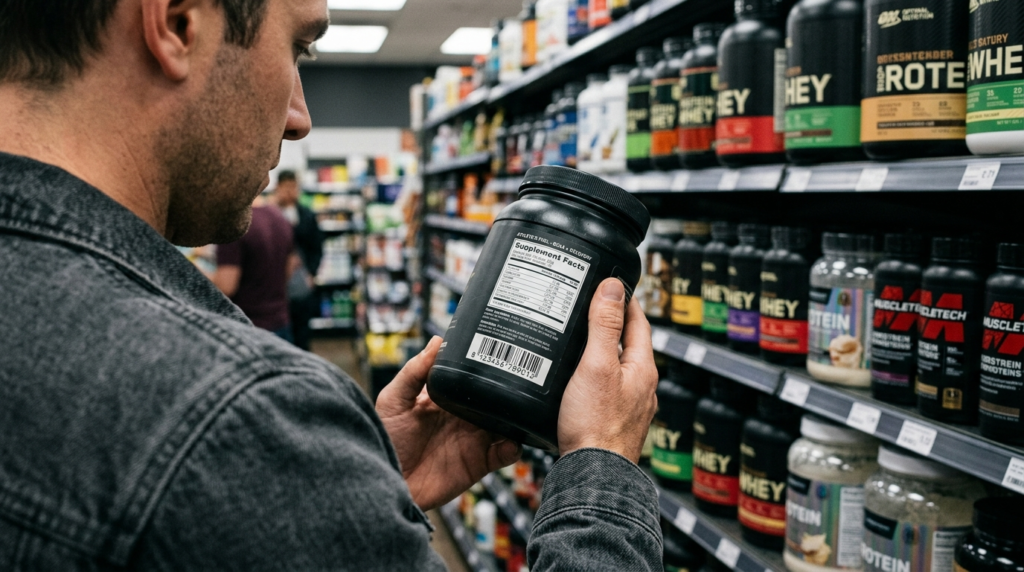
The Dietary Supplement Health and Education Act (DSHEA 1994)
The legal loophole that permits fat burners to bypass standard consumer safety testing is rooted in the Dietary Supplement Health and Education Act of 1994, commonly known as DSHEA. Under this federal law, dietary supplements are legally classified and regulated as food products rather than pharmaceutical drugs.
Because of this legislative distinction, weight loss supplement manufacturers are completely exempt from providing pre market clinical trial data or chemical safety validation to the regulatory authorities. They are permitted to construct aggressive marketing labels promising rapid metabolic acceleration and fat reduction without verifying the accuracy of those claims through human trials or proving the internal purity of their raw ingredients. Consequently, the burden of discovering contaminated formulas, toxic concentrations, or hidden pharmaceutical compounds falls directly on the end consumer and public health surveillance systems.
High-Risk Fat Burner Ingredients: Clinical Truths vs. Marketing Claims
The primary mechanism driving over-the-counter fat burners is thermogenesis, a process where specific chemical stimulants attempt to artificially accelerate your resting metabolic rate and increase daily energy expenditure. While marketing material presents these active botanicals and concentrated extracts as completely benign options derived straight from nature, clinical toxicology literature presents a radically different reality.
Many of the most popular active compounds found in modern fat-burning matrices carry direct associations with severe health issues. When consumed in high concentrations or isolated forms, these ingredients can move from metabolic stimulants to highly dangerous triggers for acute medical conditions.

Usnic Acid and High-Dose Green Tea Extract: The Liver Toxicity Link
Usnic acid is a naturally occurring compound derived from lichen species of the genus Usnea, widely marketed in bodybuilding communities for its supposed ability to drive rapid fat cell lipolysis. However, rigorous clinical research reveals that usnic acid acts as a potent mitochondrial toxin. It directly uncouples oxidative phosphorylation within human liver cells, resulting in a severe loss of cellular respiratory control, the total inhibition of ATP synthesis, and rapid cell death analogous to carbon tetrachloride poisoning. Clinical case records document previously healthy adults experiencing submassive hepatic necrosis and fulminant liver failure requiring emergency liver transplants within mere weeks of taking supplements containing usnic acid.
This hepatotoxic risk is severely amplified when combined with high-dose Green Tea Extract (Camellia sinensis). While drinking brewed green tea is entirely safe, the highly concentrated, dried ethanolic extracts found in weight loss pills contain extreme amounts of a catechin called epigallocatechin-3-gallate (EGCG). In concentrated, high oral doses, EGCG triggers heavy mitochondrial toxicity and the rapid formation of reactive oxygen species within hepatocytes. This specific compound has led to multiple international regulatory bodies entirely removing commercial green tea slimming products like Exolise from their respective retail markets due to recurring instances of acute chemical hepatitis.
Yohimbine and Synephrine: The Cardiovascular Accelerators
Yohimbe is an extract harvested from the bark of an African evergreen tree, prized by manufacturers for its alpha-2 adrenergic receptor antagonist properties, which theoretically enhance fat oxidation. In the human body, however, yohimbine acts as a profound nervous system and cardiovascular stressor. It is clinically proven to induce acute hypertension, severe panic attacks, debilitating headaches, heart palpitations, and in severe instances, acute kidney failure.
Similarly, Synephrine (often listed on supplement facts panels as Bitter Orange or Commiphora mukul extracts) is heavily utilized as a direct substitute for Ephedra, a highly dangerous amphetamine-like stimulant that was federally banned by the FDA after causing numerous cardiac arrests, strokes, and seizures. Synephrine stimulates lipolysis by binding to beta-3 adrenergic receptors, mirroring the exact physiological dangers of the banned ephedra alkaloids. When synephrine enters the bloodstream, it places massive strain on the cardiovascular system by elevating heart rate, restricting blood vessels, and dangerously spiking resting blood pressure levels.
The Danger of “Proprietary Blends”: Cumulative Toxic Load
One of the most significant vulnerabilities in the weight loss supplement market is the widespread use of “proprietary blends” or custom “thermogenic matrices”. On a supplement facts panel, a proprietary blend allows manufacturers to list a collection of ingredients under a single umbrella name with a combined milligram weight, completely hiding the exact dosage of each individual component. While corporate marketing teams claim this practice protects secret formulas from competitors, its primary clinical impact is masking highly volatile stimulant combinations from consumers.
Evaluating active ingredients in isolation creates a false sense of safety. In the real world, commercial fat burners routinely stack multiple powerful stimulants together in these undisclosed ratios. When a consumer ingests a blend that combines a heavy dose of caffeine anhydrous with synephrine, yohimbine, and green tea extract, the biological result is a compounding toxic load.
Instead of working independently, these compounds amplify each other’s physiological mechanisms. For example, stacking caffeine alongside synephrine multiplies the workload on the cardiovascular system, severely straining cardiac tissues, forcing blood pressure to dangerous heights, and increasing the risk of arrhythmias. At the same time, the metabolic pathways in the liver become entirely overwhelmed as they try to process multiple concentrated botanical extracts simultaneously, turning what might be a manageable dose of a single ingredient into a trigger for acute hepatotoxicity and permanent organ injury.
Social Media Trends: The Risky Rise of DIY Fat Burning
The contemporary digital marketplace has radically transformed how consumers discover and purchase weight loss aids. Viral short-form video trends on platforms like TikTok routinely popularize unregulated “miracle fat burners” and unverified DIY thermogenic hacks to millions of impressionable users. Driven by the desire for quick physical transformations, these online movements create a massive demand for over-the-counter pills, frequently prompting consumers to order obscure, unvetted formulations from unverified third-party digital storefronts.

This culture of self-prescribing presents severe public health risks. Medical tracking reveals that digital fitness trends regularly push products that are prone to intentional chemical adulteration. In an effort to make their products mimic the rapid weight reduction seen with legitimate medical treatments, illicit overseas manufacturers often secretly lace over-the-counter diet pills with highly dangerous, banned pharmaceutical compounds like Sibutramine.
The presence of these hidden synthetic drugs makes it impossible for consumers to accurately evaluate their risks. While modern, FDA-approved weight management interventions, such as GLP-1 receptor agonists (including Semaglutide and Liraglutide), are tightly controlled by medical professionals to treat clinical obesity safely, over-the-counter fat burners rely on high stimulant loads that bypass all clinical screening. Resorting to these unverified online recommendations significantly exposes users to severe cardiac emergencies, acute psychiatric events, and unpredictable organ toxicity.
Consumer Label Security Protocol: How to Vet Your Supplement
If you are considering using a weight loss product, relying on front-of-bottle marketing claims like “all-natural” or “physician-approved” is an unsafe strategy. You must actively protect your health by knowing how to audit the supplement facts panel yourself.
Before consuming any over-the-counter thermogenic pill or metabolic capsule, walk through this strict safety screening protocol:
Step 1: Scan for Known Illicit and Hidden Adulterants
Check the official FDA Tainted Weight Loss Products database online. Ensure the brand and manufacturer have never been flagged for secretly lacing their capsules with banned, high-risk pharmaceutical compounds like Sibutramine or Phenolphthalein. If a product is manufactured overseas or sold exclusively through unverified online third-party retailers, treat it as a high-risk formulation.
Step 2: Audit the Supplement Panel for Toxic Botanical Entities
Look closely at the active ingredients list and cross-reference them with documented clinical hazards. Search explicitly for the presence of Usnic Acid, Yohimbe, Yohimbine, or Synephrine (often listed as Bitter Orange or Commiphora mukul). If any of these compounds are listed, avoid the product entirely due to their established links to acute liver failure, permanent organ damage, and severe cardiovascular emergencies.
Step 3: Reject Ambiguous “Proprietary Blends” and Matrices
Look at how the ingredients are presented on the label. If the manufacturer groups a massive list of stimulants under a single “proprietary matrix,” “thermogenic blend,” or “lipolytic complex” without showing the exact milligram breakdown of each individual ingredient, reject the product immediately. You cannot safely monitor your daily intake or calculate your cumulative toxic load when ingredient ratios are hidden.
Step 4: Verify Independent, Third-Party Laboratory Certification
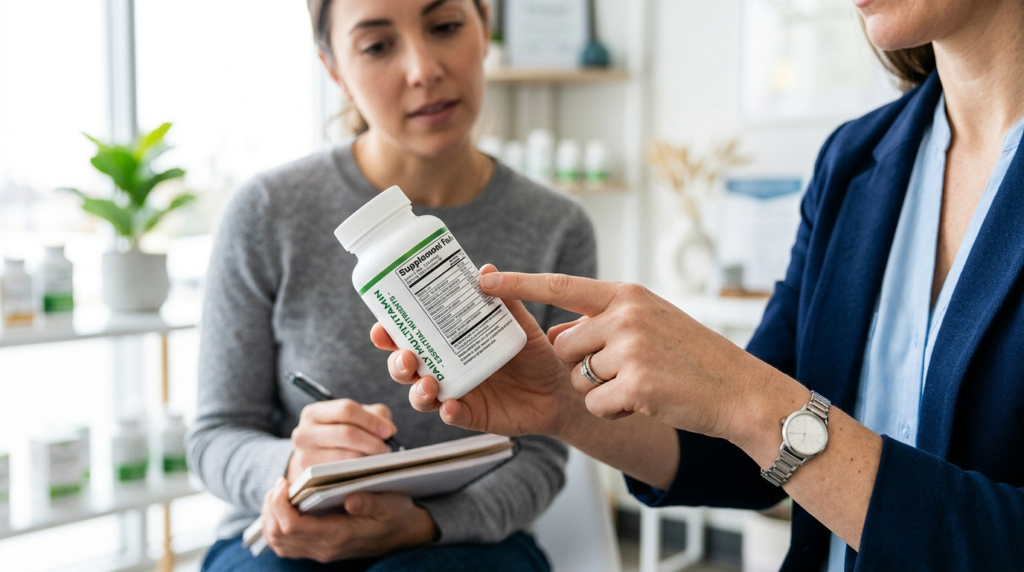
Examine the physical bottle for an official seal of purity from an independent testing organization, such as USP, NSF International, or ConsumerLab. Because the FDA treats supplements as food products and does not pre-test them for safety, these third-party seals are your only guarantee that the bottle contains exactly what is listed on the label, without unlisted synthetic stimulants or heavy metal contaminants.
Frequently Asked Questions (FAQ)
Can fat burners cause long term liver damage?
Yes, specific chemical active ingredients found in over the counter fat burners can cause severe hepatotoxicity, acute chemical hepatitis, and fulminant liver failure. Highly concentrated botanical extracts such as usnic acid and high dose green tea extract (EGCG) can act as direct cellular toxins, uncoupling oxidative phosphorylation and generating reactive oxygen species that destroy liver cells. In severe documented clinical cases, this sudden, widespread cell death leads to submassive hepatic necrosis, requiring emergency liver transplantation to save the patient’s life.
What is the safest natural fat burner?
The safest, most scientifically validated approach to fat loss does not involve consuming over the counter thermogenic capsules, which carry inherent risks of product adulteration and hidden synthetic ingredients. Clinical consensus indicates that long term, meaningful changes to body composition are driven entirely by a balanced, nutrient dense eating plan combined with a structured exercise routine to maintain a safe calorie deficit. For safe dietary support, focus on consuming natural, intact dietary fiber and adequate lean protein, which naturally support your baseline metabolic rate, increase satiety, and control your appetite safely without cellular risk.
How much caffeine is dangerous in a thermogenic pill?
Consuming a cumulative daily dose of caffeine that exceeds 400 milligrams is generally considered dangerous for healthy adults, but thermogenic fat burners frequently push users past this threshold. Supplement manufacturers often list extreme amounts of caffeine anhydrous or hide additional natural stimulants like guarana, green coffee bean, and yerba maté inside proprietary matrices. When heavy caffeine loads are combined with other stimulants like synephrine or yohimbine, it severely multiplies the toxic strain on your cardiovascular system, triggering symptoms like dangerous heart palpitations, severe anxiety, and acute blood pressure spikes.



[…] Subcutaneous Fluid: Because the fluid is held within the cellular architecture of the muscle rather than beneath the […]