This post contains affiliate links. As an Amazon Associate, I earn from qualifying purchases. This comes at no extra cost to you.
Protein powder recipe is a dietary supplement designed to help individuals meet their protein intake requirements, aiding muscle recovery, growth, and overall health. It comes in various types, each catering to specific fitness goals, dietary restraints, and preferences. Choosing the right protein powder involves understanding your needs, the available options, and ingredient quality.
Back when I first started lifting weights, I struggled to find a supplement that matched my goals without upsetting my stomach; learning about protein types was a game-changer in my journey.
Table of Contents
- Why is choosing the right protein powder important?
- What do you need to know about protein powder types?
- How do you choose the best protein powder step by step?
- Frequently Asked Questions About Protein Powder
- What results can you expect from protein powder?
- What tools or resources can help?
- What are some alternatives to traditional protein powders?
- Expert tips for choosing and using protein powder
Why is choosing the right protein powder important?
The right protein powder ensures you meet your fitness goals while aligning with your dietary needs and lifestyle. It helps improve recovery, supports muscle growth, and avoids potential digestive issues from unsuitable formulas.
- Enhances muscle recovery and performance after workouts.
- Supports sustainable weight management and energy levels.
- Avoids allergies or intolerances with the right formulation.
- Improves long-term health by ensuring clean, quality ingredients.
What do you need to know about protein powder types?
Protein powders are categorized into whey, plant-based, casein, and more, each offering unique benefits. Understanding the differences helps you align the powder with your fitness and health goals.
- Whey Protein: Fast-digesting, ideal post-workout, high in essential amino acids.
- Casein Protein: Slow-digesting, suitable for overnight muscle repair.
- Plant-Based Protein: Vegan-friendly, derived from sources like pea, rice, or hemp.
- Collagen Protein: Supports skin, bone, and joint health alongside protein needs.
How do you choose the best protein powder step by step?
Selecting the right protein powder involves identifying your fitness goals, dietary restrictions, and reviewing ingredient quality to find the perfect fit.
Step 1 — Define Your Fitness Goals
Determine if your goal is muscle gain, weight loss, or maintenance, as each goal requires specific nutrition.
Step 2 — Check Dietary Restrictions
Identify allergies or intolerances to ingredients like lactose, soy, or gluten when reviewing options.
Step 3 — Choose a Protein Type
Match the protein powder type with your needs, such as whey for post-workout recovery or plant-based for vegan preferences.
Step 4 — Assess Quality and Ingredients
Step 5 — Decide on Flavor and Price
Pick a flavor you enjoy and confirm that the price fits your budget for consistent use.
Step 6 — Experiment and Adjust
Try different powders to find a product that works best for your taste and digestion, adjusting as needed.


Frequently Asked Questions About Protein Powder
Do I need protein powder to build muscle?
No, you can build muscle without protein powder, but it helps meet daily protein needs when your diet falls short.
Is whey protein better than plant-based protein?
It depends on your goals and dietary restrictions. Whey is ideal for fast recovery, while plant-based suits vegan diets or those with allergies.
Can I take protein powder if I’m not exercising?
Yes, especially if your protein intake through food is inadequate to meet your daily nutritional needs.
What to avoid in protein powder ingredients?
Avoid added sugars, artificial colors, and fillers. Check for quality certifications like NSF Certified for Sport.
How much protein powder should I take daily?
Typically, 20-30 grams per serving is sufficient, but this depends on your total daily protein needs and activity level.
What results can you expect from protein powder?
Using protein powder can lead to improved muscle recovery, increased strength, and better workout performance. It also supports weight loss and daily energy needs.
- Faster recovery times after intense workouts.
- Enhanced muscle growth and definition over time.
- Improved overall health, including better immunity and metabolism.
What tools or resources can help?
Leverage reliable resources to find the best protein powder for your needs, ensuring quality and effectiveness.
- Online comparison tools to review protein powder brands and ingredients.
- Nutrition apps for tracking protein intake and fitness goals.
- Check out our high protein 1200 calorie meal for dietary inspiration.
What are some alternatives to traditional protein powders?
There are several alternatives to traditional protein powders for those seeking variety or specific dietary options.
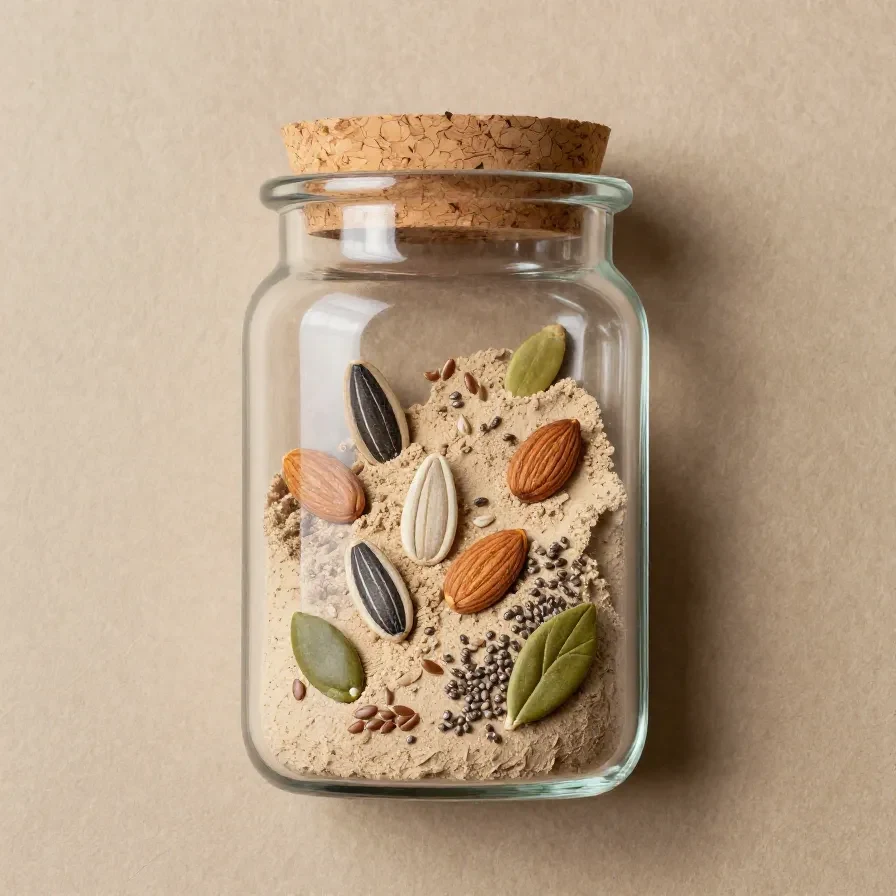
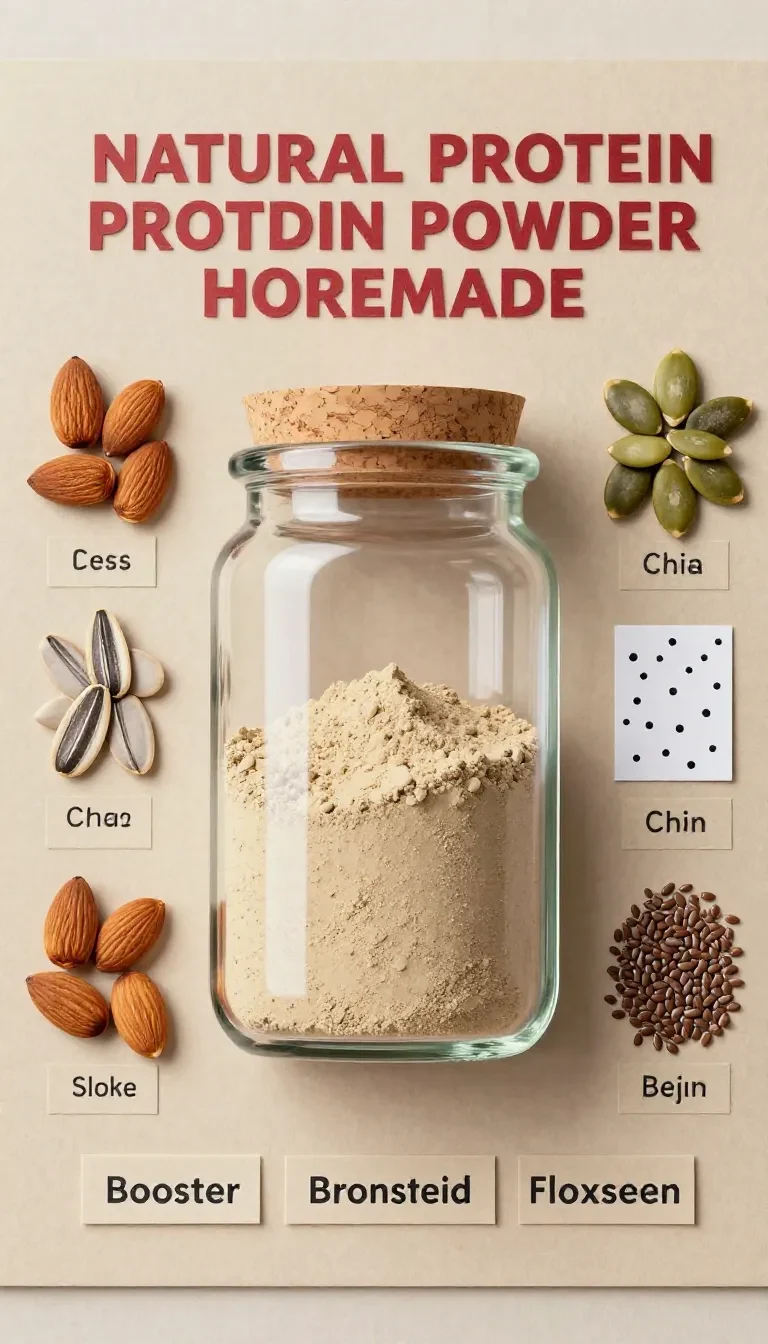
- Homemade Protein Powder Recipes: Create your own mix using oats, nuts, and seeds for tailored nutrition.
- Protein-Rich Snacks: Try our protein balls (no bake energy balls) for quick, whole food options.
- Organic Plant Protein Powder: Opt for minimally processed organic versions for clean nutrition.
Expert tips for choosing and using protein powder
Applying expert advice can help you maximize the benefits of protein powder in your fitness journey.
- Always read labels to ensure a high protein content and minimal fillers.
- Start with one scoop per day to monitor digestion and adjust as needed.
- Mix protein powder with water for fast absorption or blend into smoothies for added nutrients.
- Explore our healthy chocolate peanut butter protein recipes for variety in your diet.
Loved this post? Save it to your favorite Pinterest board so you can easily find it later! ✨