
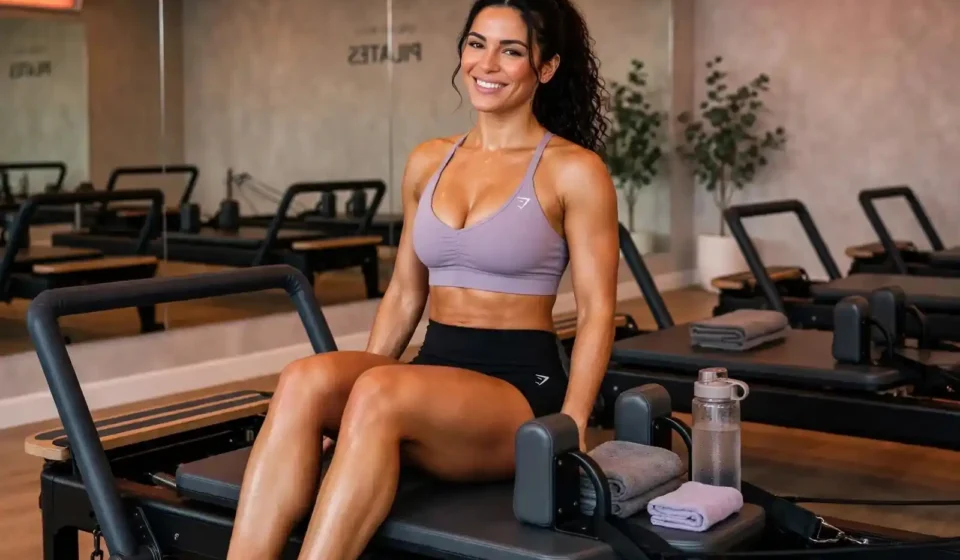

Hot Reformer Pilates is attracting attention among fitness enthusiasts who enjoy Pilates and want to try something different. It combines traditional reformer-based exercises with a heated studio environment, creating a workout that focuses on controlled movement, strength, balance, and flexibility.
Hot Reformer Pilates: Benefits and What to Expect Unlike regular mat Pilates, Reformer Pilates uses a specialized machine with a moving carriage, springs, straps, and a footboard. Adding heat to the studio creates a different workout environment that some people find relaxing and challenging.
If you’re curious about trying this fitness trend, you may be wondering how it works, what makes it different from regular Reformer Pilates, and whether it’s suitable for beginners.
In this guide, we’ll explore the potential benefits of Hot Reformer Pilates, what happens during a typical class, and what to know before your first session.
What Is Hot Reformer Pilates?
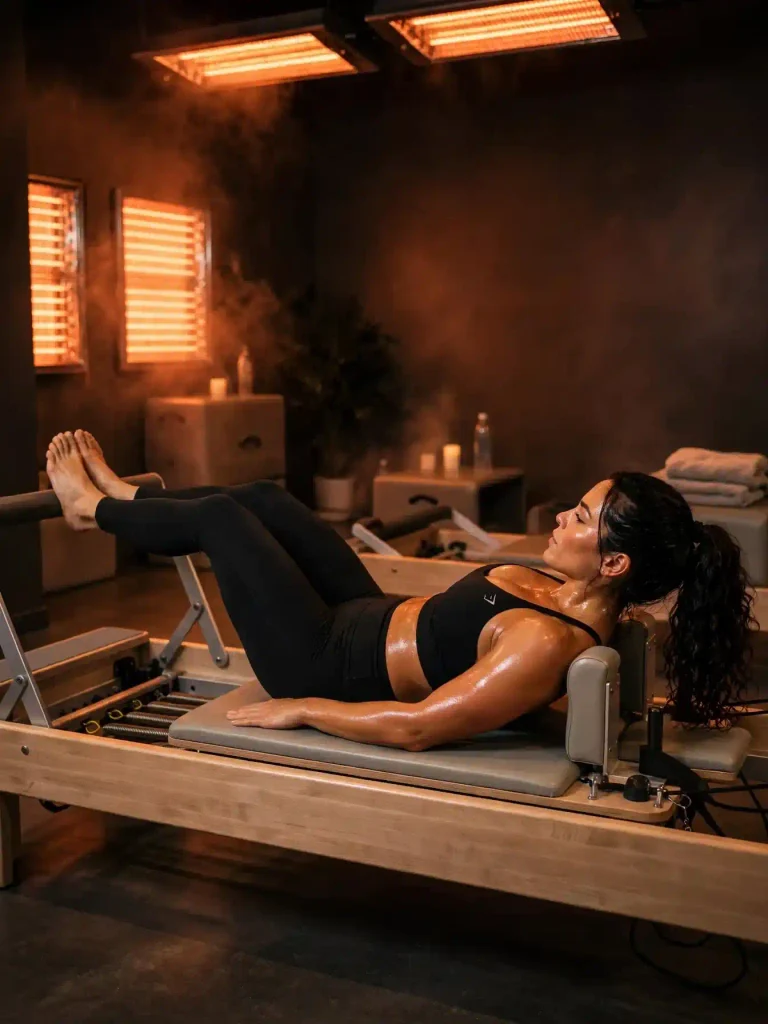
Hot Reformer Pilates is a style of Reformer Pilates performed in a heated studio.
Traditional Reformer Pilates uses a machine designed to provide resistance through springs and a sliding platform. The exercises are performed in different positions, including lying down, sitting, kneeling, and standing.
In a hot class, the studio temperature is raised to create a warm workout environment. The exact temperature and heating method depend on the studio.
A typical session may include:
- Controlled core exercises
- Lower-body movements
- Upper-body resistance exercises
- Balance and stability work
- Gentle stretching
- Breathing and posture exercises
The combination of spring resistance and controlled movements makes Reformer Pilates different from many traditional gym workouts.
How Does Hot Reformer Pilates Work?
The Reformer machine is the main piece of equipment used during the workout.
It generally includes several important components:
- Carriage: The moving platform where you sit, lie, kneel, or stand.
- Springs: Provide adjustable resistance during exercises.
- Footbar: Offers support for different movements.
- Straps: Help perform arm and leg exercises.
- Shoulder blocks: Help keep your body positioned on the carriage.
During a Hot Reformer Pilates class, an instructor guides participants through a series of exercises using this equipment.
The heated environment is an additional feature rather than the main source of resistance. Your muscles still work against the springs and your own body weight.
Potential Benefits of Hot Reformer Pilates
Hot Reformer Pilates combines several elements of Pilates training. Its potential benefits mainly come from the controlled exercises and resistance provided by the machine.
1. Supports Core Strength
Many Reformer exercises involve engaging the abdominal and back muscles to maintain stability.
Movements performed on the carriage can encourage controlled core activation and help develop better awareness of body positioning.
2. Develops Muscle Strength and Endurance
The springs provide adjustable resistance for different exercises.
Depending on the movement and resistance level, you can challenge your legs, arms, shoulders, back, and core muscles.
3. Encourages Flexibility and Mobility
Reformer exercises often combine strengthening movements with controlled stretching.
The moving carriage and adjustable straps allow participants to explore different movement patterns within a comfortable range.
4. Improves Balance and Coordination
Some exercises require you to control the carriage while maintaining a stable position.
This can challenge your coordination, balance, and awareness of how your body moves.
5. Offers a Different Workout Experience
For people who enjoy Pilates, the heated environment can provide a different studio experience.
However, heat does not automatically make a workout more effective. The quality of your movement, appropriate resistance, and proper technique remain important.
Hot Reformer Pilates vs. Regular Reformer Pilates
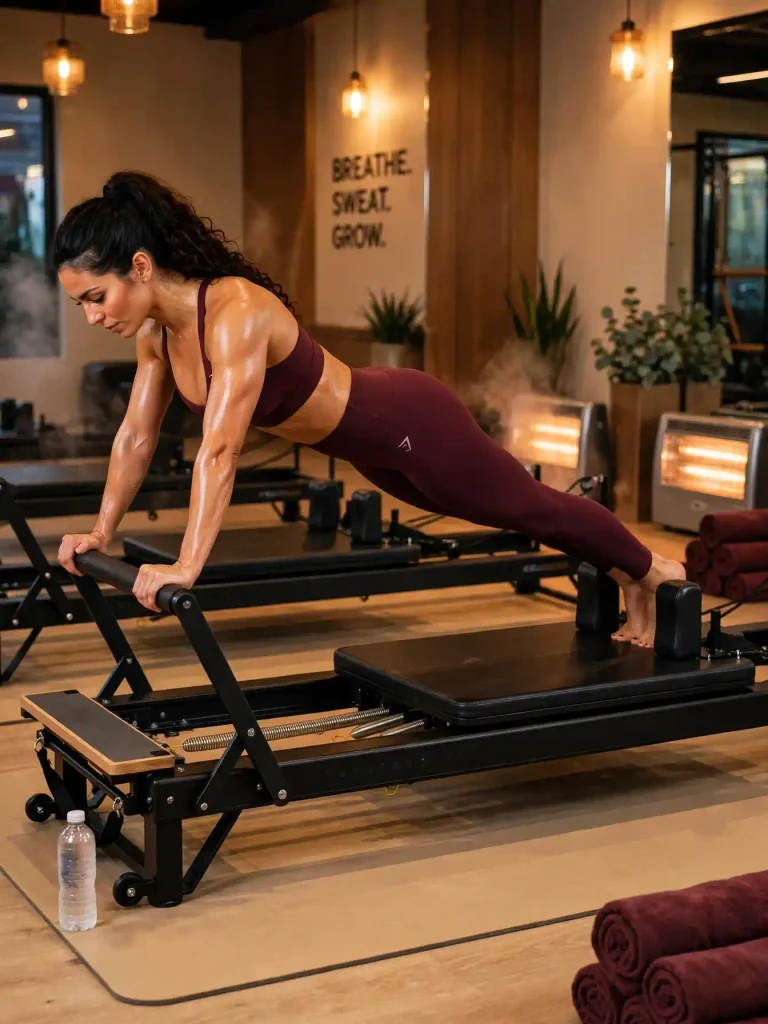
Both workouts use the same basic machine and Pilates principles. The biggest difference is the temperature of the studio.
| Feature | Hot Reformer Pilates | Regular Reformer Pilates |
|---|---|---|
| Environment | Heated studio | Normal room temperature |
| Equipment | Reformer machine | Reformer machine |
| Main focus | Strength, control, and mobility | Strength, control, and mobility |
| Exercise style | Controlled resistance movements | Controlled resistance movements |
| Experience | Warm workout environment | Standard studio environment |
Neither option is automatically better. Your choice depends on your comfort, preferences, and fitness goals.
What to Expect During Your First Hot Reformer Pilates Class
If you’ve never tried Reformer Pilates before, your first class may feel unfamiliar because the machine has several moving parts.
Here’s what a typical session may look like.
1. Introduction to the Reformer Machine
The instructor may explain how the machine works, how to adjust the springs, and how to use the footbar and straps.
Take your time learning the equipment before beginning the exercises.
2. Gentle Warm-Up
Most sessions begin with simple movements to help you become comfortable with the machine.
You may perform gentle footwork, breathing exercises, or basic movements while lying on the carriage.
3. Main Workout
The instructor guides the class through different exercises targeting the upper and lower body.
Depending on the class, you may work on:
- Leg presses
- Glute bridges
- Arm movements using straps
- Core stabilization
- Controlled lunges
- Balance exercises
The exercises are usually performed slowly, with attention to posture and technique.
4. Cool-Down and Stretching
The class may finish with gentle stretching and breathing exercises.
This gives you time to relax and gradually transition out of the workout.
A session commonly lasts around 45 to 60 minutes, although class lengths vary between studios.
What Should You Wear to Hot Reformer Pilates?
Choosing comfortable clothing can make your first class easier.
Here are a few practical suggestions:
- Breathable workout clothes: Choose lightweight clothing that allows you to move comfortably.
- Grip socks: Many studios require special Pilates socks to help improve grip on the equipment.
- Hair tie: Useful if you prefer to keep your hair away from your face.
- Water bottle: Bring enough water to stay hydrated.
- Small towel: Helpful for managing sweat during a heated session.
Check the studio’s requirements before attending because equipment and clothing policies can differ.
Is Hot Reformer Pilates Suitable for Beginners?
Hot Reformer Pilates may be suitable for some beginners, especially when classes are designed for people with limited Pilates experience.
However, combining a new exercise style with a heated environment can feel challenging.
If you’re completely new to Reformer Pilates, consider starting with a beginner class in a normal-temperature studio. This gives you time to understand the equipment and learn basic techniques before trying a heated session.
When you eventually attend a hot class:
- Tell the instructor that you’re a beginner.
- Choose easier exercise variations when necessary.
- Take breaks whenever you need them.
- Drink water before and after class.
- Avoid pushing yourself to keep up with other participants.
- Leave the heated environment if you feel unwell.
People who are sensitive to heat or have health conditions that may be affected by elevated temperatures should seek medical advice before attending.
Tips Before Your First Hot Reformer Pilates Session
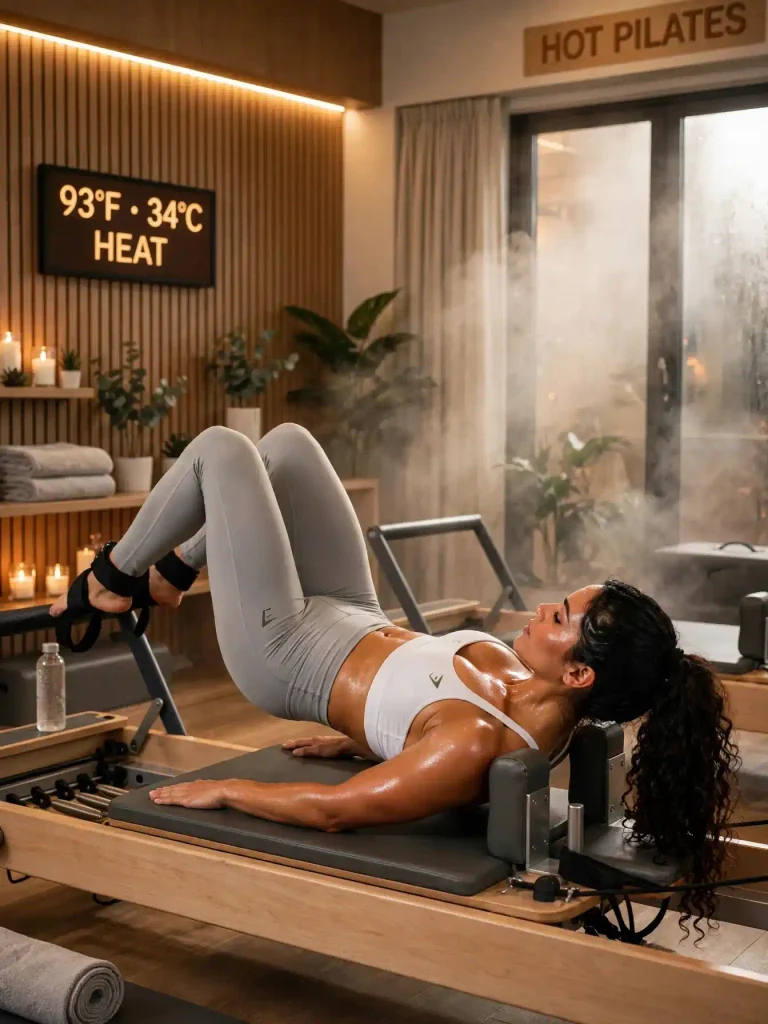
A little preparation can help make your first experience more comfortable.
Stay Hydrated
Drink water regularly throughout the day and bring a bottle to class. Avoid treating the session as an opportunity to push through excessive heat.
Arrive Early
Getting to the studio a little early gives you time to meet the instructor, learn about the equipment, and ask questions.
Avoid Comparing Yourself to Others
Everyone has a different level of experience. Focus on learning the movements rather than matching someone else’s pace.
Listen to Your Body
Heat can make exercise feel more demanding. If you experience dizziness, nausea, unusual weakness, or feel overheated, stop exercising and move to a cooler area.
Focus on Technique
Correct positioning and controlled movements are more important than using stronger springs or attempting advanced exercises.
Common Mistakes to Avoid
If you’re new to Hot Reformer Pilates, keep these mistakes in mind:
- Choosing an advanced class too soon: Start with a beginner-friendly session.
- Ignoring the heat: Pay attention to how you feel throughout the class.
- Skipping water breaks: Stay hydrated and take breaks when needed.
- Using too much resistance: Follow the instructor’s recommendations.
- Rushing through exercises: Controlled movement is an important part of Pilates.
- Ignoring discomfort: Stop or modify movements that cause pain.
Final Thoughts
Hot Reformer Pilates combines the resistance-based movements of traditional Reformer Pilates with a heated studio environment.
It can be an interesting option for people who enjoy controlled strength exercises, balance work, and Pilates-inspired movement.
However, the heated environment isn’t necessary to experience the benefits of Reformer Pilates. Regular classes can offer a similar style of exercise without the additional heat.
If you’re interested in trying Hot Reformer Pilates, start with a suitable beginner class, learn how to use the machine, and pay attention to your comfort throughout the session.
The most important thing is to find an exercise routine that feels enjoyable, manageable, and suitable for your needs.

[…] can help you practice everyday movements with greater control and […]