
Technology has changed the way people approach fitness. From counting daily steps to monitoring heart rate and tracking workout progress, fitness trackers make it easier to understand your activity levels and build healthier habits.
Fitness Trackers to Improve Your Workout Routine Whether you’re walking, running, cycling, strength training, or following a home workout program, a fitness tracker can provide useful information about your daily movement and exercise sessions.
However, simply wearing a fitness tracker doesn’t automatically improve your fitness routine. The real benefit comes from understanding the information it provides and using that data to make smarter training decisions.
In this beginner-friendly guide, you’ll learn how fitness trackers work, which features are worth using, and how to incorporate wearable technology into your workout routine without becoming overly focused on numbers.
What Is a Fitness Tracker?
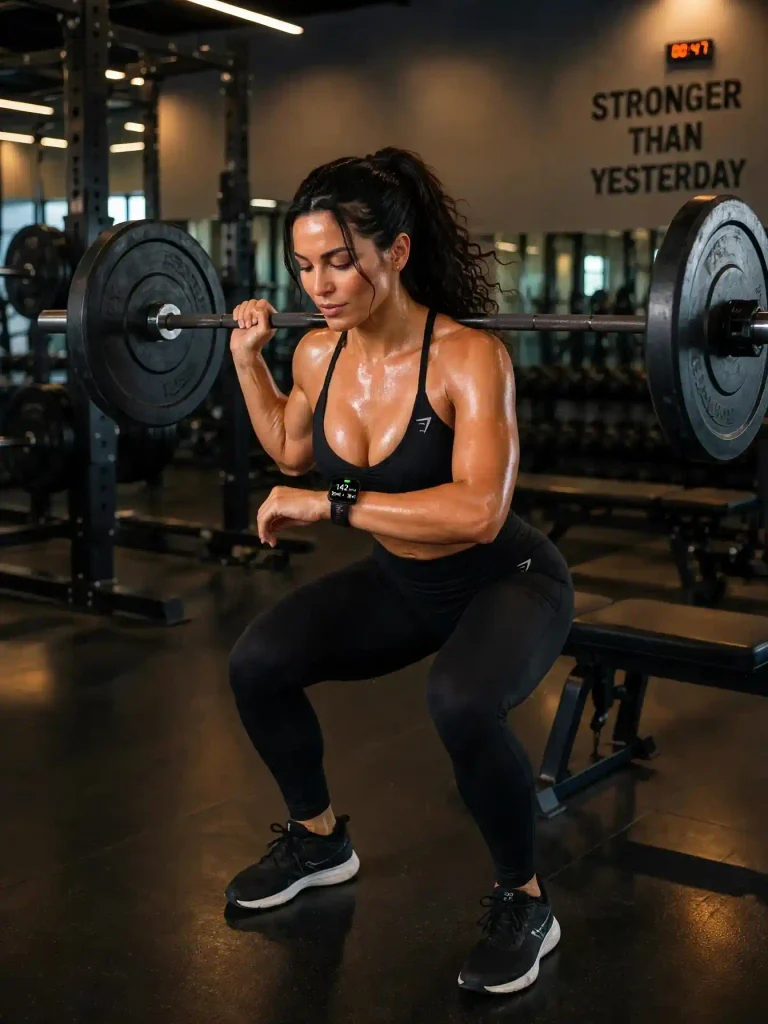
A fitness tracker is a wearable device designed to monitor different aspects of your physical activity and, depending on the model, certain health-related measurements.
Most fitness trackers are worn on the wrist, although some models are designed as rings, clips, or chest straps.
These devices use sensors to collect information about your movement and activity throughout the day.
Common features include:
- Step counting
- Distance tracking
- Heart rate monitoring
- Workout duration
- Estimated calorie expenditure
- Sleep tracking
- Activity reminders
- Workout summaries
Some advanced models also offer GPS tracking, training zones, recovery estimates, and additional performance measurements.
Fitness trackers can help you understand your activity patterns, but their measurements are estimates rather than perfect medical or performance assessments.
Why Use a Fitness Tracker for Your Workout Routine?
A fitness tracker can make it easier to monitor your habits and understand how different activities contribute to your overall fitness.
Here are some potential benefits.
1. Helps Monitor Daily Activity
Fitness trackers can record steps, movement, and active minutes throughout the day.
This information can help you recognize how active you are outside your planned workouts and identify opportunities to include more movement in your daily routine.
2. Makes It Easier to Track Progress
Keeping track of your workouts can help you understand how your routine develops over time.
You can review information such as workout duration, distance, and exercise frequency to see whether your training habits are becoming more consistent.
3. Provides Heart Rate Information
Many fitness trackers measure heart rate during exercise.
This can help you understand how your heart responds to different activities, such as walking, cycling, and running.
Although wrist-based measurements are useful for general tracking, they may not always be accurate during certain movements or intense workouts.
4. Encourages Consistency
Some devices provide reminders to move, complete planned activities, or take a break from sitting.
These notifications can encourage regular movement and help you maintain a more consistent fitness routine.
5. Helps You Understand Your Sleep Habits
Many wearable devices offer sleep-tracking features.
They may estimate sleep duration and patterns, helping you notice changes in your sleeping habits.
Sleep information can be useful when considering your overall recovery, although wearable sleep measurements are not a substitute for professional sleep assessments.
6. Supports More Organized Training
Fitness trackers can store workout information in one place.
Instead of relying entirely on memory, you can review previous sessions and use the information to plan future workouts.
The Most Useful Fitness Tracker Features to Know
Not every feature is necessary for every person. Understanding the main measurements can help you decide which information is useful for your fitness goals.
1. Step Counter
The step counter records your estimated daily steps.
It can help you understand your walking habits and notice whether you spend long periods sitting.
Use this feature to monitor general movement rather than treating a specific step number as a requirement.
2. Heart Rate Monitor
Heart rate monitoring measures how many times your heart beats per minute.
During exercise, this information can provide an indication of how demanding an activity is.
It may be particularly useful during cardiovascular activities such as walking, jogging, and cycling.
3. GPS Tracking
Some fitness trackers include built-in GPS, while others use the GPS connection of a paired smartphone.
GPS can record outdoor routes, estimated distance, and pace during activities such as running, walking, and cycling.
4. Workout Tracking
Workout tracking allows you to record different types of exercise.
Depending on your device, available activity modes may include:
- Walking
- Running
- Cycling
- Swimming
- Strength training
- Yoga
- Pilates
- Indoor workouts
Recording your sessions can help you review how often you train and how long your workouts last.
5. Sleep Tracking
Sleep tracking estimates how long you sleep and may provide information about different sleep stages.
Use this feature to observe general patterns rather than relying on individual nightly scores.
6. Recovery and Readiness Features
Some advanced trackers provide recovery or readiness estimates based on measurements such as heart rate, sleep, and heart rate variability.
These features can offer additional context when planning exercise.
However, they should not determine your training decisions on their own. How you feel, your training experience, and your recovery needs are also important.
How to Use a Fitness Tracker to Improve Your Workout Routine
Once your device is set up, the next step is learning how to use its information effectively.
Here are six practical ways to incorporate fitness tracking into your routine.
1. Set Realistic Fitness Goals
Before using your tracker, think about what you want to achieve.
Your goal might be to become more consistent with exercise, improve cardiovascular fitness, build strength, or include more movement throughout the day.
Choose goals that match your experience and schedule.
For example:
- Complete a few planned walking sessions each week.
- Record your strength workouts consistently.
- Include regular mobility or stretching sessions.
- Track your workout frequency over a month.
Your goals should encourage healthy habits rather than create unnecessary pressure.
2. Monitor Your Heart Rate During Cardio
Heart rate information can help you understand the intensity of cardiovascular exercise.
For example, walking at a comfortable pace generally produces a different heart rate response from jogging or cycling at a more challenging pace.
Some trackers display heart rate zones to help users understand exercise intensity.
Use these zones as general guidance rather than strict limits. Heart rate responses vary between individuals, and certain medications or health conditions can affect readings.
3. Record Every Workout
One useful feature of fitness trackers is their ability to store workout information.
After each session, review the available details, such as:
- Type of activity
- Workout duration
- Distance covered
- Average heart rate
- Exercise frequency
For strength training, you may also want to record exercises, sets, and repetitions in a separate workout log if your device does not provide detailed strength-training information.
4. Pay Attention to Recovery
Exercise is only one part of a balanced fitness routine. Recovery also matters.
Sleep tracking and recovery estimates can help you notice patterns in your daily habits.
If you have had a demanding training session or several busy days, consider adjusting your next workout according to how you feel.
Light movement, comfortable walking, and rest days can all be part of a well-planned routine.
5. Review Your Weekly Progress
Instead of checking your tracker constantly, set aside a few minutes each week to review your activity.
Look for useful patterns, such as:
- How frequently you completed your workouts.
- Which activities you enjoyed most.
- Whether your exercise sessions were consistent.
- How your activity changed throughout the week.
- Whether your routine allows enough recovery.
Weekly reviews can help you make small adjustments without becoming overwhelmed by daily measurements.
6. Use Reminders to Build Healthy Habits
Many fitness trackers allow you to set reminders for movement, workouts, and other activities.
These notifications can help you remember planned exercise sessions and break up long periods of sitting.
Choose reminders that fit naturally into your daily schedule. You don’t need to respond to every notification if you are busy or need to rest.
How to Choose the Right Fitness Tracker
The best fitness tracker depends on your activities, preferences, and budget.
Before purchasing one, consider the following features.
Battery Life
Battery life can make a difference if you want to track daily activity and sleep without frequently charging your device.
Compare the expected battery life and charging requirements before choosing a model.
Comfort and Design
Since you may wear your tracker throughout the day, comfort is important.
Look for an adjustable strap, suitable size, and design that feels comfortable during exercise and everyday activities.
Activity Tracking Options
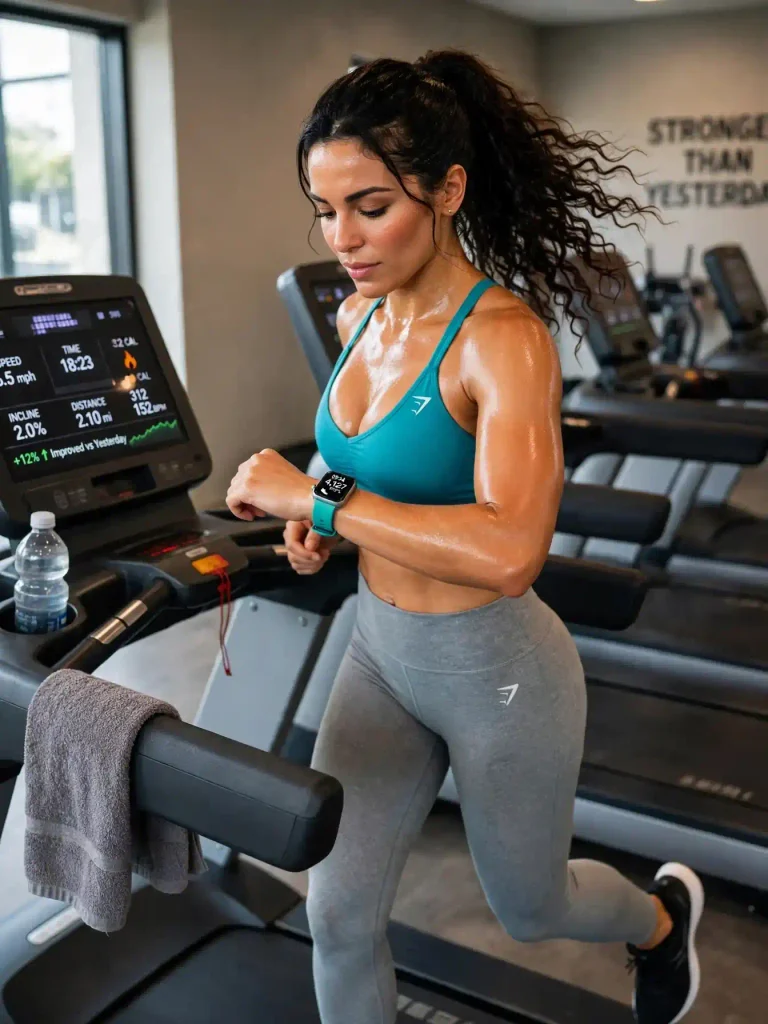
Choose a tracker that supports the activities you actually enjoy.
If you regularly walk or run outdoors, GPS may be useful. If you prefer gym workouts, look for suitable workout modes and activity-recording features.
Smartphone Compatibility
Check whether the tracker works with your smartphone and whether its companion app supports the features you want.
Water Resistance
If you swim or exercise in wet conditions, check the manufacturer’s water-resistance specifications.
Water resistance does not mean every device is suitable for every type of swimming or water activity.
Price and Essential Features
You don’t necessarily need the most expensive smartwatch to track your workouts.
A basic fitness band may provide enough information for walking, general activity, and workout duration.
Choose a device based on useful features rather than the number of measurements it advertises.
Common Fitness Tracker Mistakes to Avoid
Fitness trackers can be helpful, but using them incorrectly may make your workout routine unnecessarily complicated.
Here are some common mistakes to avoid.
1. Focusing Too Much on Daily Numbers
It can be tempting to check every measurement throughout the day.
However, daily numbers naturally change depending on your activities, sleep, schedule, and other factors.
Focus on long-term habits rather than trying to achieve perfect readings every day.
2. Treating Calorie Estimates as Exact
Fitness trackers often estimate calories burned using information such as movement, heart rate, and personal settings.
These estimates can vary considerably between devices and individuals.
Avoid treating calorie readings as exact measurements or using them as the sole basis for exercise or food decisions.
3. Ignoring How You Feel
A fitness tracker cannot fully understand how your body feels.
Even if your device displays a positive recovery score, you may still feel tired or uncomfortable.
Pay attention to your energy, comfort, and recovery rather than relying entirely on a digital score.
4. Forgetting to Wear or Charge Your Device
If you want consistent activity records, remember to charge your tracker and wear it according to the manufacturer’s instructions.
Also, make sure your personal information and activity settings are entered correctly.
5. Comparing Your Results With Other People
Everyone has different schedules, fitness backgrounds, and activity levels.
Comparing your tracker measurements with someone else’s may not provide useful information.
Use your own records to understand your habits and progress.
6. Forgetting That Trackers Can Make Mistakes
Fitness trackers use sensors and algorithms to estimate different measurements.
Readings may be affected by device placement, movement, skin contact, and activity type.
Treat the information as a helpful guide rather than a perfect representation of your fitness.
A Simple Weekly Workout Plan Using a Fitness Tracker
You can use a fitness tracker alongside a balanced workout routine to monitor activity and consistency.
Here is an example of a beginner-friendly weekly schedule:
| Day | Workout | What to Track |
|---|---|---|
| Monday | 20-minute comfortable walk | Duration and distance |
| Tuesday | Full-body strength workout | Workout time and exercises |
| Wednesday | Gentle mobility or Pilates | Activity duration |
| Thursday | Comfortable walking or cycling | Duration and heart rate |
| Friday | Full-body strength workout | Exercises and repetitions |
| Saturday | Enjoyable outdoor activity | Activity type and duration |
| Sunday | Rest or gentle movement | Recovery and general activity |
This is a flexible example. Adjust the activities and duration according to your fitness level, experience, and schedule.
How to Stay Motivated With Fitness Tracking
A fitness tracker can provide useful feedback, but building a sustainable exercise habit requires more than technology.
Here are some simple ways to stay motivated.
Choose Goals That Matter to You
Focus on activities that support your personal fitness goals, whether that’s walking more regularly, improving strength, or enjoying different types of exercise.
Celebrate Consistency
Completing your planned workouts regularly is a meaningful achievement.
You don’t need to reach a new personal record every week to maintain a positive fitness routine.
Make Exercise Enjoyable
Try different activities, such as cycling, swimming, Pilates, dancing, or outdoor walking.
Finding activities you enjoy can make it easier to stay active.
Review Your Progress Monthly
Looking at your activity over several weeks can help you understand your habits and identify changes that may improve your routine.
Take Breaks From Tracking When Needed
Your fitness routine should support your well-being, not become a source of pressure.
If constantly checking numbers becomes distracting, consider reducing notifications or taking a break from tracking.
Frequently Asked Questions
Are fitness trackers useful for beginners?
Yes. Fitness trackers can help beginners monitor daily movement, record workouts, and understand general activity patterns. They can also encourage consistency through reminders and progress summaries.
Do fitness trackers accurately measure calories burned?
Fitness trackers provide estimates rather than exact calorie measurements. Accuracy varies depending on the device, activity, and individual factors.
Should I wear my fitness tracker all day?
You can wear it throughout the day if you find the information useful and the device is comfortable. Follow the manufacturer’s instructions for charging, cleaning, and skin care.
Can a fitness tracker help improve workout performance?
It can help you monitor workout duration, activity frequency, distance, and heart rate trends. Using this information alongside a sensible training plan may help you make more informed adjustments.
Are expensive fitness trackers better?
Not necessarily. More expensive devices may include advanced features, but a basic tracker can be sufficient for monitoring general activity and recording workouts.
Can fitness trackers monitor strength training?
Many fitness trackers include strength-training modes, although the level of detail varies. Some record workout duration and heart rate, while others allow you to log exercises and repetitions.
Should I follow my fitness tracker’s daily goals?
Daily goals can be useful reminders, but they should remain flexible. Adjust them according to your schedule, fitness level, and recovery needs.
Final Thoughts
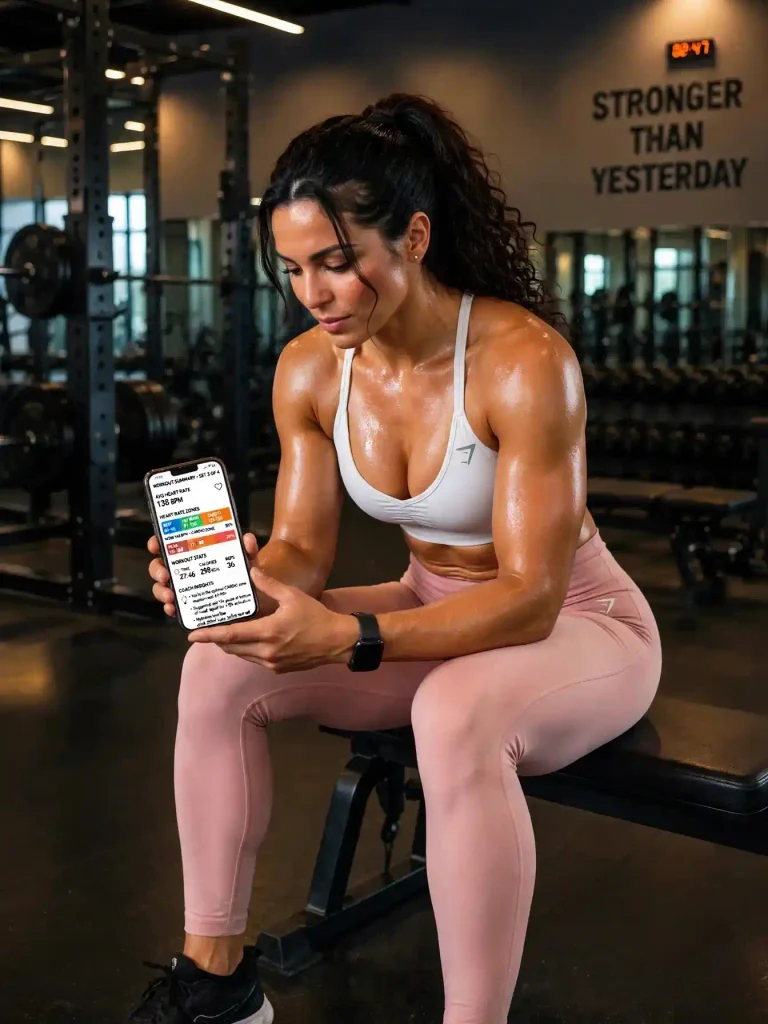
Fitness trackers can be useful tools for understanding your activity levels, recording workouts, and building more consistent exercise habits.
From monitoring heart rate during cardio to reviewing weekly workout progress, wearable technology can provide information that helps you make better decisions about your fitness routine.
However, the most important part of improving your fitness is still maintaining a balanced approach to exercise, recovery, and everyday movement.
Choose a tracker with features that match your needs, focus on meaningful progress, and remember that technology should support your fitness journey rather than control it.