
How to Combine Pilates, Walking, and Strength Training for a Balanced Fitness Routine

Finding the right fitness routine does not mean choosing between Pilates, walking, and strength training. Each type of exercise offers different benefits, and combining them can help you build a balanced approach to staying active.
How to Combine Pilates, Walking, and Strength Training for a Balanced Fitness Routine Pilates focuses on controlled movements, core strength, posture, and body awareness. Walking is an accessible form of cardiovascular exercise that supports endurance and everyday movement. Strength training helps develop muscular strength and makes daily activities easier.
The good news is that you do not need to spend hours exercising every day to include all three. With a little planning, you can create a weekly routine that fits your schedule, allows time for recovery, and keeps your workouts varied.
In this guide, you will learn how to combine Pilates, walking, and strength training, how often to do each activity, and how to create a realistic weekly workout plan.
Why Combine Pilates, Walking, and Strength Training?
Each activity contributes something different to an overall fitness routine. Combining them gives you more variety and helps you work on several aspects of physical fitness.
1. Pilates Supports Core Strength and Movement Control
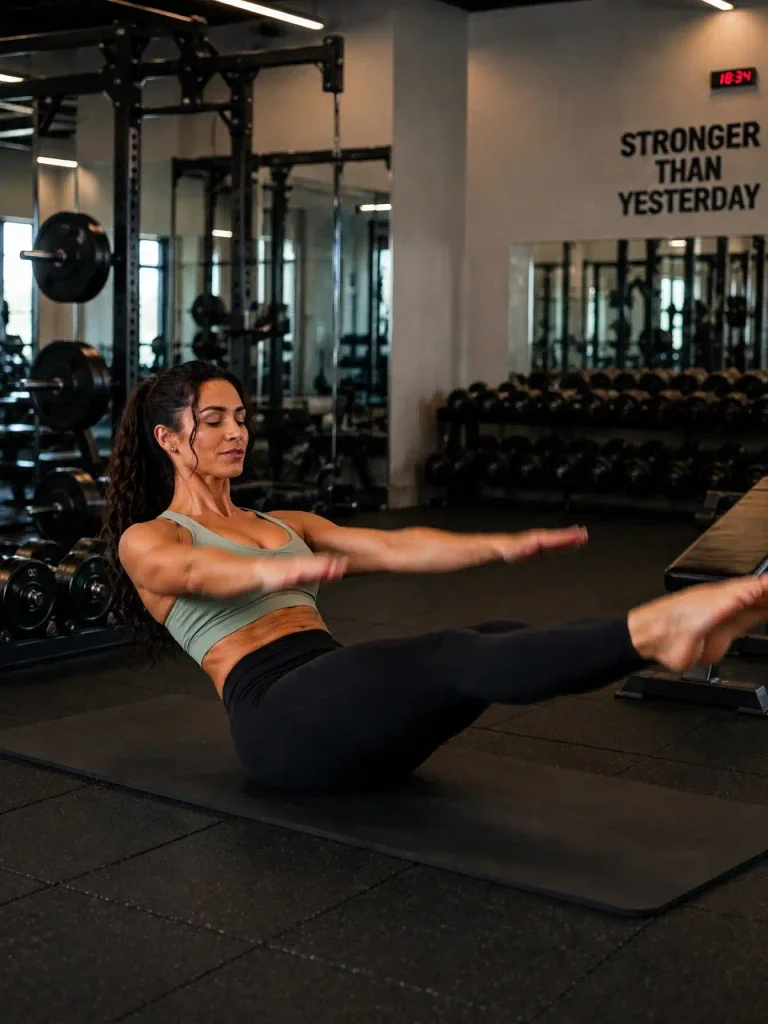
Pilates uses controlled movements, breathing techniques, and focused muscle engagement. Many exercises target the core while also working on coordination, flexibility, and posture.
Including Pilates in your routine can help you develop better movement awareness and control.
2. Walking Supports Cardiovascular Fitness
Walking is a simple way to add regular cardiovascular activity to your week. You can walk outdoors, use a treadmill, or take short walking breaks throughout the day.
It is also easy to adjust the pace and duration depending on your current fitness level.
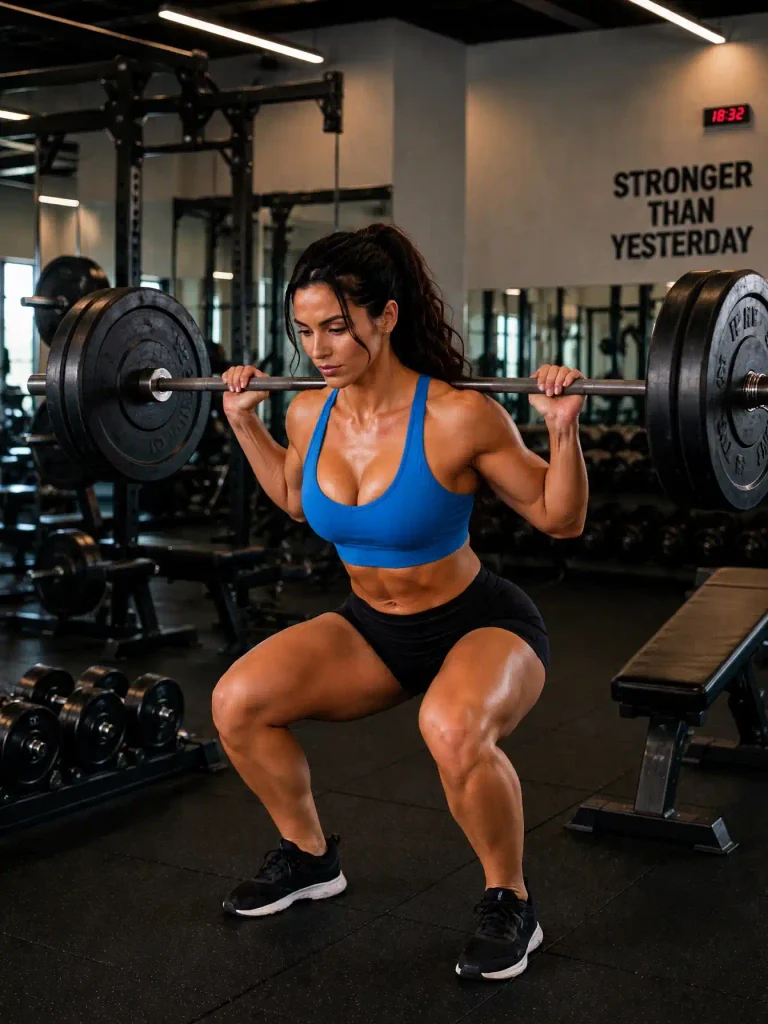
3. Strength Training Builds Muscular Strength
Strength training uses resistance to challenge your muscles. You can exercise with dumbbells, resistance bands, weight machines, or your own body weight.
Regular strength training supports muscle development and helps improve your ability to perform everyday tasks.
4. Variety Makes Your Routine More Enjoyable
Repeating the same workout every day can become boring. Combining three different activities gives you more options and allows you to change your routine throughout the week.
You can enjoy a walk one day, practise Pilates the next, and complete a strength session later in the week.
How Often Should You Do Each Type of Exercise?
There is no single schedule that works for everyone. Your ideal routine depends on your experience, available time, fitness level, and recovery needs.
For a general beginner-friendly routine, you could start with:
| Activity | Beginner starting point | Main focus |
|---|---|---|
| Pilates | 2 sessions per week | Core strength and movement control |
| Walking | 3–5 days per week | Cardiovascular activity |
| Strength training | 2 sessions per week | Muscular strength |
| Recovery | 1–2 lighter days | Rest and comfortable movement |
These are flexible starting suggestions, not strict requirements. You can begin with shorter sessions and gradually build a routine that feels manageable.
A Simple Weekly Schedule Combining All Three
One of the easiest ways to combine Pilates, walking, and strength training is to give each activity its own focus while allowing enough recovery time.
Here is an example of a balanced weekly plan.
| Day | Workout | Suggested duration |
|---|---|---|
| Monday | Full-body strength training + easy walk | 25–40 minutes |
| Tuesday | Beginner Pilates | 20–30 minutes |
| Wednesday | Comfortable outdoor walk | 20–40 minutes |
| Thursday | Full-body strength training | 25–40 minutes |
| Friday | Pilates + short walk | 25–40 minutes |
| Saturday | Relaxed walk or enjoyable outdoor activity | 20–45 minutes |
| Sunday | Rest or gentle movement | Optional |
You can adjust the duration according to your schedule. If you are new to exercise, start with shorter sessions rather than trying to complete every workout at its suggested duration.
Best Pilates Exercises to Include in Your Routine
Pilates is a useful way to develop controlled movement and core awareness. Beginners can start with simple exercises and focus on technique rather than speed.
1. Pelvic Tilts
Pelvic tilts are a gentle introductory movement that helps you practise controlling your pelvis and engaging your abdominal muscles.

How to do it:
- Lie on your back with your knees bent and feet on the floor.
- Keep your shoulders relaxed.
- Gently tilt your pelvis to bring your lower back closer to the floor.
- Return to a comfortable neutral position.
- Repeat slowly.
2. Bird Dog
The bird dog exercise combines core stability with coordination.
How to do it:
- Start on your hands and knees.
- Extend your right arm and left leg.
- Keep your hips steady and avoid twisting your body.
- Return to the starting position.
- Repeat on the opposite side.
3. Glute Bridge
The glute bridge works the muscles around your hips and glutes while encouraging controlled movement.
How to do it:
- Lie on your back with your knees bent.
- Place your feet flat on the floor.
- Gently lift your hips.
- Pause briefly at the top.
- Lower your hips slowly.
4. Modified Side Plank
This exercise introduces side-body stability without requiring a full plank.
How to do it:
- Lie on your side with your knees bent.
- Place your elbow underneath your shoulder.
- Gently lift your hips.
- Keep your body aligned.
- Lower slowly and switch sides.
5. Cat-Cow Stretch
Cat-cow is a gentle movement that encourages spinal mobility and body awareness.
How to do it:
- Begin on your hands and knees.
- Slowly round your back while gently lowering your head.
- Move in the opposite direction, allowing your chest to open.
- Repeat with controlled breathing.
Strength Training Exercises for a Balanced Routine
You do not need complicated equipment to start strength training. Many beginner exercises can be performed with body weight or light resistance.
Try including movements that work different muscle groups.
1. Bodyweight Squats
Squats work several muscles in the lower body.
How to do it:
- Stand with your feet about shoulder-width apart.
- Bend your knees and move your hips backward.
- Lower to a comfortable depth.
- Push through your feet to return to standing.
2. Wall Push-Ups
Wall push-ups are a beginner-friendly way to practise an upper-body pushing movement.
How to do it:
- Stand facing a wall.
- Place your hands against it at chest height.
- Bend your elbows and bring your chest closer to the wall.
- Push gently back to the starting position.
3. Glute Bridges
Glute bridges can also be included in strength-focused workouts. They help train the muscles around the hips and glutes.
4. Bird Dog
Bird dogs can be used in either a Pilates session or a general strength routine because they combine stability and controlled muscle engagement.
5. Resistance Band Rows
If you have a suitable resistance band, rows can help train the upper back.
How to do it:
- Sit or stand with the band secured safely.
- Hold the handles or ends of the band.
- Pull your elbows backward.
- Slowly return to the starting position.
Choose a resistance level that allows you to maintain good control.
How to Include Walking in Your Weekly Routine
Walking is one of the simplest ways to complement Pilates and strength training. It can be performed on its own or added before or after another workout.
Here are a few ways to make walking part of your schedule.
Morning Walks
A short morning walk can be an easy way to start your day with movement. Choose a comfortable pace and enjoy the time outdoors.
Walking on Recovery Days
On days between strength sessions, a relaxed walk can help you stay active without turning every day into a demanding workout.
Walking After Strength Training
If you feel comfortable, add a short, easy walk after a strength session. Keep the pace relaxed, especially if you are new to exercise.
Walking During Busy Days
You can split walking into shorter periods throughout the day. A few short walks may be easier to fit into your schedule than one longer session.
Should You Do Pilates Before or After Strength Training?
The order depends on your goals and the type of session you are planning.
If strength training is your main focus for the day, it can make sense to do it while you feel fresh, then finish with a short Pilates-based mobility or core session.
If you are practising Pilates as your main workout, complete that session first and save walking for later.
For beginners, the most important thing is to avoid making every session too demanding. You can also perform Pilates and strength training on separate days.
How to Avoid Overtraining When Combining Different Workouts
Combining several forms of exercise can be useful, but more activity is not always better. Recovery helps your body adapt to exercise and makes it easier to stay consistent.
Keep these points in mind:
- Begin with a manageable number of weekly sessions.
- Avoid making every workout intense.
- Allow recovery time between demanding strength sessions.
- Adjust your schedule when you feel unusually tired.
- Choose comfortable walking speeds.
- Increase workout duration gradually.
- Make sleep and regular meals part of your general health routine.
If you have an injury, ongoing pain, or a health condition that affects exercise, ask a qualified healthcare professional for guidance on suitable activities.
Common Mistakes to Avoid
When starting a routine that combines Pilates, walking, and strength training, beginners sometimes make a few avoidable mistakes.
Trying to Do Everything at Once
Starting three new activities in the same week can feel overwhelming. Begin with a simple schedule and add sessions gradually.
Making Every Walk Too Fast
Walking does not always need to be a challenging workout. Comfortable walks are valuable too.
Ignoring Strength Training Technique
Focus on controlled movements and suitable resistance. Good technique is more important than lifting heavier weights.
Treating Pilates as Only Stretching
Pilates involves more than flexibility. It also includes strength, coordination, stability, and controlled movement.
Forgetting Recovery
Rest days are part of a balanced fitness routine. You do not need to exercise intensely every day to make progress.
Frequently Asked Questions
Can I combine Pilates, walking, and strength training in the same week?
Yes. These activities can complement one another. A balanced schedule might include two Pilates sessions, two strength sessions, and several walking days, adjusted to your needs.
Is Pilates enough instead of strength training?
Pilates can improve muscular control and challenge several muscle groups. However, traditional resistance training provides additional opportunities to progressively increase resistance and develop strength. Combining both can offer variety.
Should I walk every day?
You can include comfortable walking regularly if it suits your health and schedule. However, daily walking is not a requirement. Rest and recovery are also important.
Can beginners do Pilates and strength training together?
Yes. Beginners can include both activities in a weekly routine. Start with simple exercises, use manageable resistance, and allow time to learn each movement.
How long should a combined workout routine take?
There is no fixed duration. Short sessions can be a good starting point. You might begin with 15–20 minutes of Pilates, a short walk, or a brief strength workout and adjust as your routine develops.
What is the best order: walking, Pilates, or strength training?
There is no universal order. If strength is your priority, consider doing strength training first. Walking can be used as a warm-up or a separate activity, while Pilates can be scheduled on another day or included as a controlled movement session.
Final Thoughts
Combining Pilates, walking, and strength training is a practical way to create a varied and balanced fitness routine. Pilates supports core strength and movement control, walking adds accessible cardiovascular activity, and strength training helps develop muscular strength.
You do not need to fit all three into every day. Start with a realistic weekly schedule, choose exercises that suit your current ability, and leave enough time for recovery.
The best routine is one that you can enjoy, maintain, and adapt as your needs change.