


Strength training is one of the most useful forms of exercise for adults over 50. It can help maintain muscle strength, support healthy bones, improve balance, and make everyday activities such as climbing stairs, carrying groceries, and getting up from a chair feel more manageable.
As we get older, maintaining muscle strength becomes increasingly important. Regular physical activity, including resistance exercises, can support mobility, independence, and overall well-being.
Strength Training for Adults Over 50: A Beginner’s Guide The good news is that you do not need to be an experienced athlete or spend hours at the gym to benefit from strength training. Beginners can start with simple bodyweight exercises, resistance bands, or light weights and gradually build a routine that suits their abilities.
In this guide, you will discover the benefits of strength training after 50, learn seven beginner-friendly exercises, and find practical tips for creating a balanced workout routine.
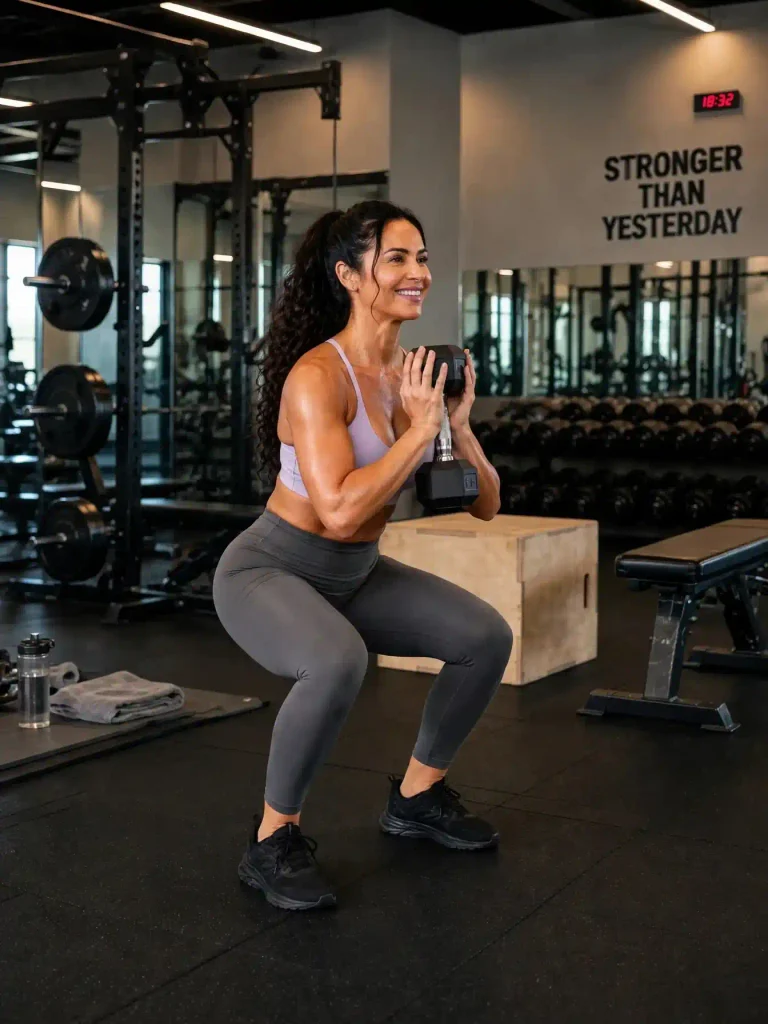
Why Is Strength Training Important After 50?
Strength training becomes an important part of maintaining an active lifestyle as you get older.
From around midlife onward, muscle mass and strength can gradually decline. This natural process can affect physical performance, balance, and everyday movement if it is not addressed through regular activity.
Resistance exercises challenge your muscles and help maintain strength over time.
Here are some important benefits of strength training for adults over 50:
- Supports muscle strength: Resistance exercises help maintain and develop the muscles used in everyday activities.
- Promotes bone health: Weight-bearing and resistance activities can support bone strength.
- Improves balance and coordination: Strengthening the muscles involved in movement can support stability.
- Supports joint function: Strong muscles help support the joints during everyday activities.
- Makes daily activities easier: Regular exercise can help with tasks such as lifting, walking, bending, and climbing stairs.
- Supports overall health: Physical activity contributes to cardiovascular health, metabolic health, and general well-being.
Strength training is not only about lifting weights. It is about maintaining the physical abilities that help you stay active and independent.
7 Best Strength Training Exercises for Adults Over 50
You do not need complicated equipment to get started. The following exercises provide a beginner-friendly foundation for working different muscle groups.
Choose comfortable movements and use support when necessary. If you have existing health conditions, balance difficulties, or joint concerns, speak with a healthcare professional before starting a new exercise programme.
1. Chair Squats
Chair squats are a practical exercise for strengthening the muscles used when sitting down and standing up.
They mainly work the thighs, hips, and glutes while allowing beginners to use a chair for support.
How to do it:
- Stand in front of a stable chair with your feet about hip-width apart.
- Keep your chest comfortably upright.
- Slowly bend your knees and move your hips backward.
- Lower yourself toward the chair with control.
- Gently touch the chair and return to standing.
- Repeat at a comfortable pace.
Beginner tip: Use your hands for additional support if needed. Start with a movement range that feels comfortable.
2. Wall Push-Ups
Wall push-ups are a beginner-friendly alternative to traditional floor push-ups. They help strengthen the chest, shoulders, and arms without requiring you to get down on the floor.
How to do it:
- Stand facing a wall at a comfortable distance.
- Place your hands against the wall at approximately chest height.
- Keep your body in a comfortable straight position.
- Slowly bend your elbows and bring your chest toward the wall.
- Gently push back to the starting position.
- Repeat with controlled movements.
Beginner tip: Stand closer to the wall to make the movement easier.
3. Seated Resistance Band Rows
Resistance band rows help strengthen the upper back, shoulders, and arms. They are useful for beginners who want to include upper-body exercises in their routine.
How to do it:
- Sit comfortably on a stable chair.
- Place a resistance band securely around your feet.
- Hold one end of the band in each hand.
- Keep your back comfortably upright.
- Slowly pull your hands toward your waist.
- Gently bring your hands forward again.
Beginner tip: Choose a light resistance band and avoid pulling too hard or rounding your shoulders.
4. Glute Bridges
Glute bridges target the gluteal muscles and the muscles around the hips. They can help support everyday movements such as walking and standing.
How to do it:
- Lie on your back on a comfortable exercise mat.
- Bend your knees and place your feet flat on the floor.
- Keep your arms relaxed beside your body.
- Gently lift your hips while keeping your shoulders on the mat.
- Pause briefly at the top.
- Slowly lower your hips back down.
Beginner tip: Use a comfortable range of movement and avoid arching your lower back.
If getting down onto the floor is difficult, choose a suitable standing alternative with support.
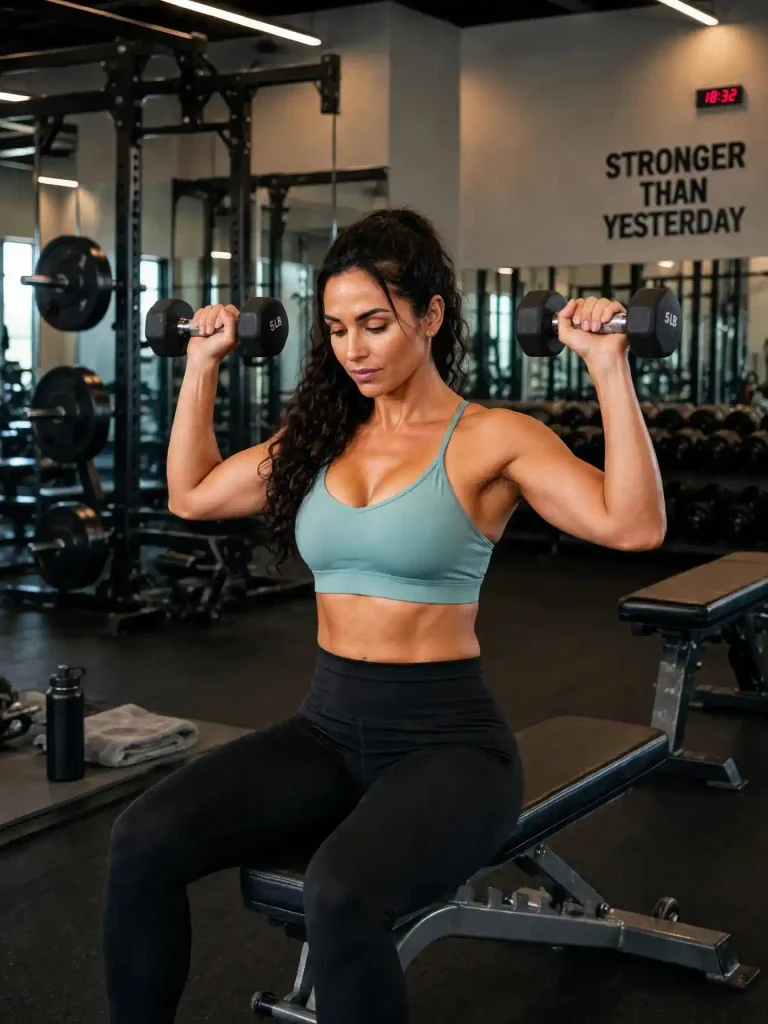
5. Standing Calf Raises
Calf raises strengthen the muscles at the back of your lower legs. These muscles play an important role in walking, standing, and everyday movement.
How to do it:
- Stand behind a stable chair or beside a sturdy support.
- Place your feet comfortably apart.
- Slowly raise your heels until you are standing on your toes.
- Pause briefly.
- Lower your heels with control.
- Repeat while maintaining your balance.
Beginner tip: Keep your hands on the chair if you need extra stability. Avoid rushing the movement.
6. Seated Knee Extensions
Seated knee extensions are a simple exercise for strengthening the muscles at the front of your thighs.
They are particularly useful for beginners who prefer exercising while seated.
How to do it:
- Sit upright on a stable chair.
- Keep both feet flat on the floor.
- Slowly straighten one knee until your leg is comfortably extended.
- Hold the position briefly.
- Lower your foot slowly.
- Repeat with the other leg.
Beginner tip: Start without additional weights. Focus on controlled movement rather than lifting your leg as high as possible.
7. Standing Hip Abductions
Standing hip abductions work the muscles around the hips, which contribute to stability and everyday movement.
How to do it:
- Stand beside a sturdy chair or countertop.
- Hold the support with one hand.
- Keep your upper body upright.
- Slowly move one leg out to the side.
- Avoid leaning your body in the opposite direction.
- Bring your leg back to the starting position.
- Repeat on the other side.
Beginner tip: Keep the movement small and controlled. Use the chair for support throughout the exercise.
How Often Should Adults Over 50 Do Strength Training?
Adults over 50 can benefit from including strength-training activities in their weekly exercise routine.
General physical activity guidelines recommend muscle-strengthening activities involving the major muscle groups on at least two days per week.
However, beginners should start gradually rather than trying to complete a demanding routine immediately.
A balanced weekly schedule might include:
- Two days of beginner-friendly strength exercises.
- Two or three days of comfortable walking or other aerobic activity.
- Gentle mobility exercises when appropriate.
- Rest or lighter activity between demanding sessions.
The ideal schedule depends on your experience, health, fitness level, and personal circumstances.
Allow enough time to recover between challenging strength sessions, especially when you are new to resistance training.
A Simple Beginner Strength Training Routine for Adults Over 50
If you are new to resistance exercise, start with a short routine that covers different muscle groups.
Here is an example of a simple workout using bodyweight exercises and a stable chair.
| Exercise | Suggested Amount |
|---|---|
| Chair squats | 8 repetitions |
| Wall push-ups | 8 repetitions |
| Seated knee extensions | 8 per leg |
| Standing calf raises | 10 repetitions |
| Standing hip abductions | 8 per leg |
| Seated resistance band rows | 8 repetitions |
Begin with one comfortable round. You can gradually increase the number of repetitions or add another round when the exercises feel manageable.
Rest between movements whenever necessary.
You do not need to complete every exercise in one session. Adjust the routine according to your comfort and abilities.
Tips for Starting Strength Training After 50
Starting a new exercise routine can feel challenging, especially if you have not exercised regularly.
These practical tips can help you build a sustainable approach.
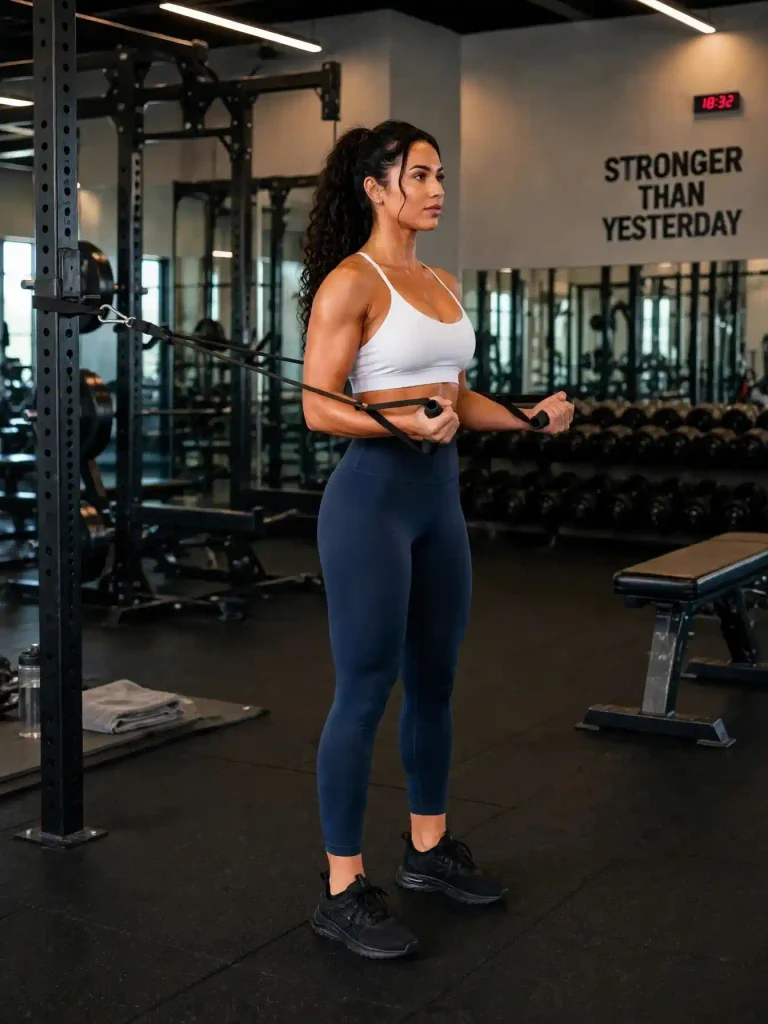
1. Start With Simple Exercises
You do not need heavy weights or advanced movements when you are beginning.
Bodyweight exercises, stable chairs, and light resistance bands can provide a useful starting point.
2. Focus on Proper Technique
Controlled movements are more important than completing exercises quickly.
Take your time, maintain a comfortable posture, and avoid movements that cause pain.
3. Choose Comfortable Resistance
If you use weights or resistance bands, select equipment that allows you to complete the movement with control.
You should not feel that you need to strain excessively to finish an exercise.
4. Include Balance and Mobility Activities
Strength is only one part of maintaining physical function.
Walking, gentle mobility exercises, and appropriate balance activities can complement your strength-training routine.
5. Give Yourself Time to Recover
Rest is an important part of any exercise programme.
Allow your body enough time to recover between demanding sessions and avoid increasing the difficulty too quickly.
6. Stay Consistent
A short, manageable routine performed regularly is a better starting point than an overly demanding programme that is difficult to maintain.
7. Listen to Your Body
Pay attention to how you feel during and after exercise.
Stop if you experience chest discomfort, dizziness, unusual shortness of breath, or significant pain. Seek appropriate medical advice when symptoms occur.
Common Strength Training Mistakes to Avoid After 50
Strength training can be beneficial, but beginners should avoid a few common mistakes.
Starting With Too Much Weight
Using more resistance than you can comfortably control can increase the risk of injury.
Start with bodyweight movements or light resistance and progress gradually.
Skipping Warm-Ups
Beginning demanding exercises without preparing your body is not ideal.
Start with a few minutes of gentle walking or comfortable movements to prepare for your workout.
Ignoring Balance and Stability
Focusing only on lifting weights can leave other important movement skills out of your routine.
Include suitable balance and mobility activities alongside strength exercises.
Exercising Through Pain
Muscle effort is normal during resistance exercise, but sharp pain or unusual discomfort should not be ignored.
Stop the movement and seek professional guidance if needed.
Expecting Immediate Results
Strength and physical confidence develop gradually.
Focus on building consistent habits rather than expecting major changes after only a few workouts.
Forgetting Rest and Recovery
Training the same muscle groups hard every day does not give your body enough opportunity to recover.
Include easier days and appropriate rest between challenging sessions.
Frequently Asked Questions About Strength Training for Adults Over 50
Is it safe to start strength training after 50?
Many adults can safely begin strength training after 50, provided the exercises are appropriate for their health and physical abilities. Beginners should start gradually and seek professional guidance if they have existing medical conditions, injuries, or movement limitations.
How many days a week should adults over 50 strength train?
General guidelines recommend muscle-strengthening activities at least two days per week. Beginners should start with manageable sessions and allow sufficient recovery between demanding workouts.
Can adults over 50 build muscle with strength training?
Yes. Adults can improve muscle strength and develop muscle through appropriately planned resistance exercise. Progress depends on factors such as training consistency, nutrition, recovery, and individual health.
What is the best strength training equipment for beginners over 50?
Bodyweight exercises, resistance bands, light dumbbells, and stable chairs can all be useful options. The best equipment is something that allows you to exercise comfortably and safely.
Is walking enough for adults over 50?
Walking is an excellent form of aerobic activity and supports general health. However, walking alone does not provide the same muscle-strengthening benefits as resistance exercises. Combining walking with suitable strength training creates a more balanced routine.
Can strength training help improve balance?
Strength training can support the muscles involved in maintaining stability and controlling movement. Combining it with appropriate balance exercises can provide additional benefits.
Should adults over 50 lift heavy weights?
Beginners do not need to start with heavy weights. Light resistance and controlled movements are suitable starting points. Resistance can be adjusted gradually as strength and experience improve.
What should I eat when starting strength training after 50?
A balanced diet containing protein, carbohydrates, healthy fats, fruits, and vegetables supports general health and exercise recovery. Foods such as eggs, fish, beans, yogurt, whole grains, and vegetables can be part of a varied eating pattern.
Final Thoughts
Strength training is an important part of maintaining an active lifestyle after 50. It can support muscle strength, bone health, balance, mobility, and the ability to manage everyday activities.
You do not need an expensive gym membership or complicated workout equipment to begin. Simple exercises such as chair squats, wall push-ups, resistance band rows, and calf raises can provide a practical starting point.
The most important thing is to choose exercises that suit your abilities, focus on comfortable technique, and build your routine gradually.
Remember that getting older does not mean giving up on strength and movement. With an appropriate exercise programme, regular activity, and enough recovery, strength training can remain a valuable part of a healthy lifestyle at any age.
Start with simple movements, stay consistent, and make strength training a sustainable part of your everyday routine.

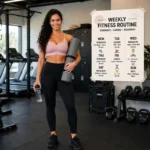
[…] are seven important elements to consider when planning your […]