


Fitness trackers have made it easier than ever to understand your daily activity, monitor workout performance, and follow changes in your fitness over time. Whether you use a smartwatch, fitness band, or another wearable device, tracking the right fitness metrics can help you make better decisions about your exercise routine.
Best Fitness Tracker Metrics to Monitor Your Progress However, with so many numbers available, it can be difficult to know which measurements are actually useful. Steps, heart rate, sleep quality, workout duration, and recovery data can all provide helpful information, but not every metric deserves the same attention.
The key is to focus on measurements that support your fitness goals and help you build healthy, consistent habits. Instead of checking every number throughout the day, learn how to understand the most useful fitness tracker metrics and look for meaningful changes over time.
In this beginner-friendly guide, we will explore the best fitness tracker metrics to monitor your progress, explain what they mean, and show you how to use the information to support a balanced workout routine.
1. Daily Steps
Daily step count is one of the easiest fitness metrics to understand. It shows how much you move throughout the day, including walking at home, commuting, shopping, and taking short breaks from sitting.
Monitoring your steps can help you become more aware of your everyday activity. It can also encourage you to include more movement in your routine.
How to use this metric:
- Check your average daily steps over a week.
- Notice whether you are moving less on certain days.
- Take short walking breaks during long periods of sitting.
- Set realistic activity goals based on your current routine.
Remember that a popular step target is not a requirement for everyone. Your activity level, schedule, and individual circumstances all matter.
2. Heart Rate During Exercise
Heart rate measures how many times your heart beats per minute. Many fitness trackers monitor heart rate throughout the day and during workouts.
This measurement can help you understand how your body responds to different activities. For example, your heart rate will generally rise during more demanding exercise and decrease as you recover.
How to use this metric:
- Observe how your heart rate changes during different workouts.
- Compare similar exercise sessions over time.
- Notice how your body responds to changes in workout intensity.
- Use heart rate information alongside how you feel.
Fitness tracker readings are estimates and can sometimes be inaccurate, particularly during activities involving frequent wrist movement. Avoid treating a single reading as a complete measure of your fitness.
3. Resting Heart Rate
Resting heart rate refers to the number of times your heart beats per minute when you are relaxed and resting.
Some fitness trackers estimate this measurement during sleep or quiet periods. Looking at your readings over several weeks can help you understand your normal pattern.
Changes may be influenced by several factors, including sleep, stress, illness, hydration, and physical activity.
What to monitor:
- Your average resting heart rate.
- Changes compared with your usual readings.
- Patterns during periods of regular exercise.
- Whether unusual changes happen alongside tiredness or feeling unwell.
One unusual reading does not necessarily mean something is wrong. Look at longer-term patterns rather than focusing on individual numbers.
4. Sleep Duration and Quality
Sleep is an important part of a balanced fitness routine. It supports recovery, concentration, and everyday energy levels.
Many fitness trackers estimate how long you sleep and may provide information about sleep stages, nighttime movement, and sleep consistency.
Useful sleep metrics include:
- Total sleep duration.
- Bedtime and wake-up time.
- Sleep schedule consistency.
- Nighttime interruptions.
- Estimated sleep stages, if available.
Use these measurements to identify general patterns. Wearable devices cannot measure sleep as accurately as a professional sleep assessment, so treat their results as estimates rather than medical information.
5. Workout Duration
Workout duration shows how much time you spend exercising during each session.
This metric can help you understand your weekly activity and whether your routine includes a balanced mix of movement, strength training, and recovery.
For example, you might use your tracker to compare the time spent walking, cycling, swimming, or doing strength exercises.
How to monitor workout duration:
- Record the length of each workout.
- Review your total weekly activity.
- Compare similar sessions over time.
- Make sure your schedule includes appropriate rest and recovery.
Longer workouts are not automatically better. Consistency and choosing activities that suit your needs are more important than simply increasing exercise time.
6. Workout Intensity
Workout intensity describes how demanding an exercise session feels. Some fitness trackers estimate intensity using heart rate, movement, or other measurements.
Understanding intensity can help you avoid making every workout equally challenging.
A balanced routine usually includes a combination of different activity levels, depending on your fitness experience and personal needs.
Ways to monitor intensity:
- Review your heart rate during exercise.
- Notice how difficult the activity feels.
- Pay attention to your breathing and energy.
- Include easier sessions between more demanding workouts.
Your own perception matters. A tracker cannot fully understand how you feel, so combine its measurements with your experience.
7. Active Minutes
Active minutes estimate how much time you spend doing physical activity at a certain intensity.
Depending on the device, this may include brisk walking, cycling, swimming, and other activities.
Tracking active minutes can help you see whether you are regularly including movement in your week.
Helpful tips:
- Review your weekly active minutes.
- Include different types of enjoyable activities.
- Avoid comparing your results with other people’s numbers.
- Increase activity gradually when appropriate.
The purpose is to build a routine that you can maintain, not to reach a number at any cost.
8. Heart Rate Variability (HRV)
Heart rate variability, commonly called HRV, measures the variation in time between consecutive heartbeats.
Some fitness trackers provide an HRV estimate and use it as one part of their recovery information.
HRV can change depending on sleep, stress, physical activity, and other factors. It is most useful when viewed as a personal trend rather than compared with another person’s readings.
How to monitor HRV:
- Check your average readings over time.
- Compare results with your usual baseline.
- Consider sleep, stress, and recent activity.
- Avoid making workout decisions based on one reading alone.
HRV is not a direct measure of fitness or a medical diagnosis. If you feel unwell or unusually tired, pay attention to how you feel rather than relying only on your device.
9. Recovery Information
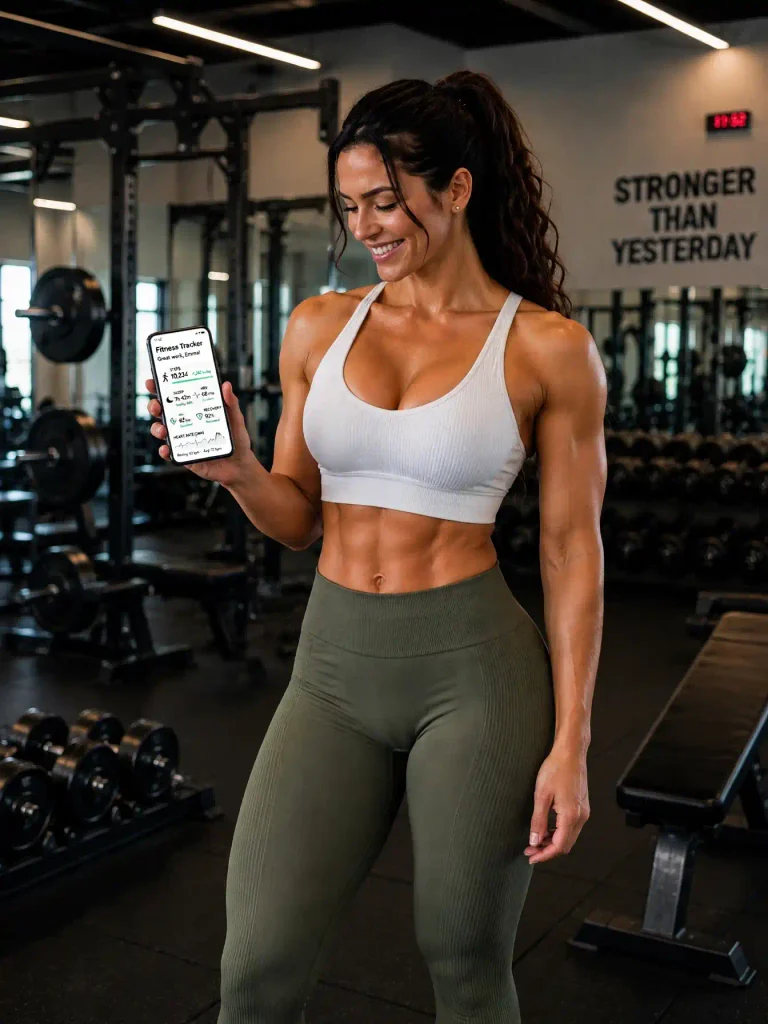
Some fitness trackers provide recovery scores or readiness estimates. These features combine measurements such as sleep, heart rate, HRV, and recent activity.
They are designed to give you an overview of how your body may be responding to your routine.
However, recovery scores are calculated differently depending on the device. They should be treated as general guidance rather than a definitive assessment.
Use recovery information to:
- Notice patterns after demanding workouts.
- Consider whether you need an easier exercise day.
- Review sleep and activity together.
- Build rest days into your weekly schedule.
If your tracker suggests you are ready to exercise but you feel exhausted, it is sensible to take things easier.
10. Weekly Activity Trends
One of the most useful ways to use a fitness tracker is to review your information over several days or weeks.
Individual readings can change for many reasons. Weekly trends provide a broader picture of your activity and habits.
Consider reviewing:
- Average daily steps.
- Total weekly workout time.
- Types of activities completed.
- Resting heart rate trends.
- Sleep duration and consistency.
- Recovery information, if available.
This overview can help you identify what is working and where you might make small adjustments.
Which Fitness Tracker Metrics Matter Most?
You do not need to monitor every measurement available on your device. Start with a few simple metrics that match your goals.
| Fitness metric | What it helps you understand |
|---|---|
| Daily steps | Everyday movement |
| Heart rate | Response to physical activity |
| Resting heart rate | Heart rate patterns while resting |
| Sleep duration | Your sleep schedule |
| Workout duration | Time spent exercising |
| Active minutes | Regular physical activity |
| HRV | Changes in heart rate variability |
| Recovery score | Estimated recovery patterns |
For beginners, daily activity, workout consistency, sleep, and heart rate trends are useful starting points.
How to Use Fitness Tracker Data to Improve Your Routine
Collecting fitness information is only helpful when you use it to make sensible decisions. Here are some simple ways to get more value from your tracker.
Set Realistic Goals
Choose goals that fit your current activity level and schedule. You might focus on taking regular walks, maintaining a consistent sleep schedule, or completing a few enjoyable workouts each week.
Review Your Progress Weekly
Spend a few minutes reviewing your results instead of checking your device constantly. Look for patterns that show how your routine is developing.
Combine Different Types of Exercise
Use your activity records to check whether your week includes a variety of movement, such as walking, strength exercises, cycling, or other activities you enjoy.
Pay Attention to Recovery
Sleep and rest are important parts of a sustainable fitness routine. If you notice that you are consistently tired, consider adjusting your activity and allowing more time for recovery.
Listen to Your Body
A fitness tracker can provide useful estimates, but it cannot replace your own experience. Your energy, comfort, and overall well-being should always be considered alongside the numbers.
Common Fitness Tracker Mistakes to Avoid
Fitness trackers can be useful, but relying on them too much may create unnecessary pressure.
Here are some common mistakes to avoid:
- Focusing on every number: Choose a few meaningful metrics instead of monitoring everything.
- Comparing yourself with others: Fitness data varies from person to person.
- Treating estimates as exact measurements: Wrist-based devices can make errors.
- Ignoring how you feel: Your energy and comfort matter as much as your tracker readings.
- Chasing daily targets: Missing a goal occasionally does not mean your routine has failed.
- Forgetting about rest: More activity is not always better.
The best approach is to use your tracker as a helpful guide while keeping your routine flexible and enjoyable.
Frequently Asked Questions
What is the most important fitness tracker metric?
There is no single most important metric for everyone. Daily activity, workout consistency, sleep duration, and heart rate trends can provide useful information for beginners.
Should I check my fitness tracker every day?
You can review your activity regularly, but there is no need to check every measurement constantly. Weekly reviews are often enough to identify useful patterns.
Are fitness tracker heart rate readings accurate?
Most modern fitness trackers provide useful estimates, but accuracy can vary depending on the device, fit, activity, and movement. They should not replace professional medical measurements.
What does HRV mean on a fitness tracker?
HRV stands for heart rate variability. It measures the variation in time between heartbeats and may provide information about changes in your body’s response to daily activity and stress.
Can a fitness tracker improve my workouts?
A fitness tracker can help you monitor activity, understand workout patterns, and build consistent habits. However, the device itself does not improve fitness. Your regular activities, recovery, and healthy routines make the difference.
Final Thoughts
The best fitness tracker metrics to monitor are the ones that help you understand your habits and make realistic improvements. Daily steps, heart rate, resting heart rate, sleep, workout duration, active minutes, and recovery trends can all provide useful information.
You do not need to follow every number or reach every daily target. Start with a few measurements, review your progress over time, and use the information to support a balanced routine.
A fitness tracker should make your fitness journey easier to understand, not more stressful. Focus on consistency, enjoy your activities, and remember that meaningful progress is about building habits you can maintain.


[…] goal is to make cycling training more organized, measurable, and […]