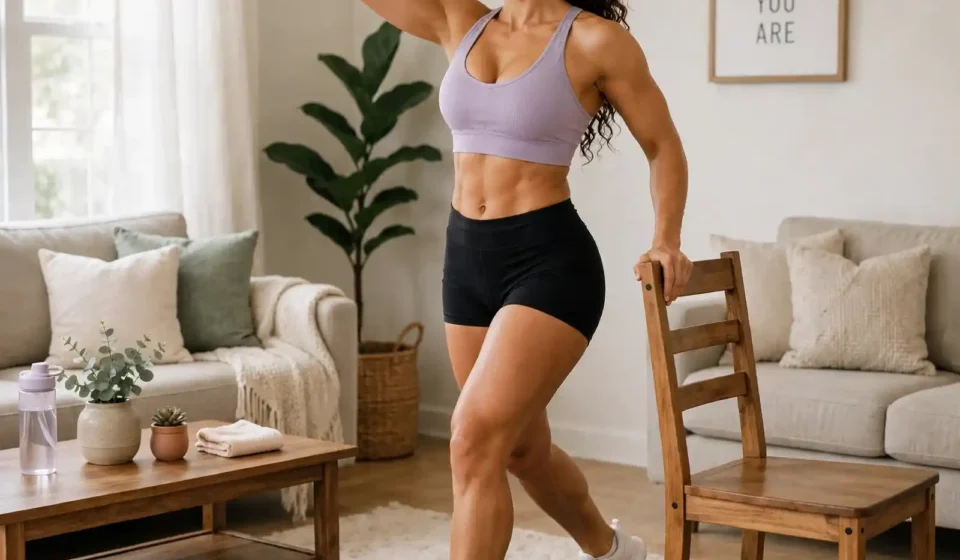

Getting started with cardio does not mean you need to run, jump, or spend hours at the gym. Low-impact cardio workouts are a simple way to get moving, build stamina, and make physical activity part of your daily routine, all from the comfort of your home.
Beginner’s Guide to Low-Impact Cardio Workouts at Home These exercises are especially useful for beginners who prefer controlled movements and want a workout that is easier on their joints. Most can be performed in a small space, and many require no equipment at all.
Whether you are returning to exercise, looking for a gentle workout option, or simply want to stay active indoors, this beginner’s guide will help you get started with low-impact cardio at home.
What Is Low-Impact Cardio?
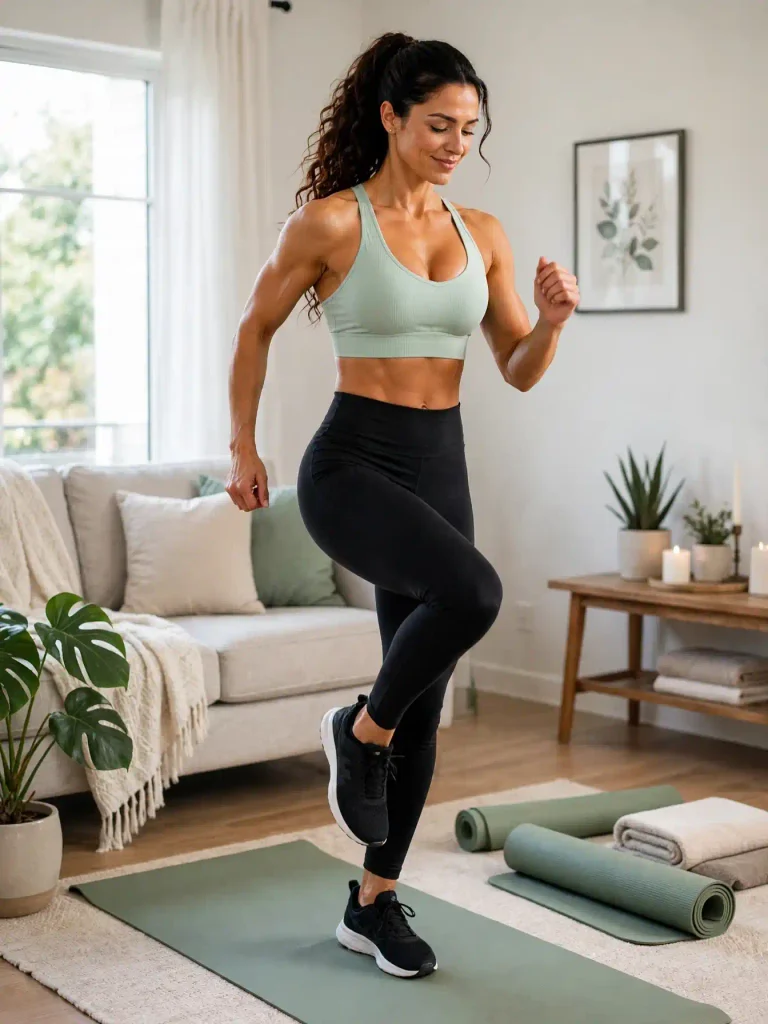
Low-impact cardio is a type of aerobic exercise that raises your heart rate while keeping movements controlled and reducing the amount of impact on your joints.
Unlike high-impact activities such as jumping or running, low-impact exercises generally keep at least one foot on the floor. This makes them a practical option for people who prefer a gentler style of movement.
Some popular examples include:
- Walking in place
- Step touches
- Marching with knee lifts
- Standing side steps
- Low-impact dance movements
- Controlled step-ups on a suitable platform
Low-impact does not mean low effort. You can still improve your cardiovascular fitness by gradually increasing your workout time, pace, or movement variety.
Benefits of Low-Impact Cardio Workouts at Home
A regular cardio routine can support general health and make everyday activities feel more manageable. Here are some reasons beginners may enjoy low-impact workouts.
1. Supports Heart and Lung Fitness
Cardio exercise challenges your heart and lungs to work more efficiently. Activities such as marching, walking, and dancing can help you gradually build endurance.
Start at a comfortable pace and increase the duration as your fitness improves.
2. Easier to Fit Into a Busy Schedule
You do not need to travel to a gym or follow a complicated workout plan. A short session at home can be a convenient way to add movement to your day.
Even a 10-minute workout can be a useful starting point.
3. Offers Joint-Friendly Movement Options
Low-impact exercises avoid repeated jumping and hard landings. This can make them more comfortable for people who prefer controlled movements.
However, low-impact exercise is not automatically suitable for every joint or health condition. Choose movements that feel comfortable and speak with a qualified healthcare professional if you have concerns.
4. Helps Build Everyday Stamina
Regular movement can help you develop the endurance needed for everyday activities such as walking, climbing stairs, and carrying groceries.
5. Can Improve Mood and Energy
Physical activity can support mental well-being and help you feel more energized. A short movement break may also be a refreshing way to step away from a long period of sitting.
10 Best Low-Impact Cardio Exercises for Beginners at Home
You can combine the following exercises to create a simple home workout. Begin with a comfortable pace, focus on controlled movements, and take breaks whenever needed.
1. Marching in Place
Marching in place is one of the easiest ways to begin a cardio routine.
How to do it:
- Stand upright with your feet about hip-width apart.
- Lift one knee comfortably.
- Lower your foot and repeat with the opposite leg.
- Continue alternating while moving your arms naturally.
Beginner tip: Start slowly for 30 to 60 seconds. As you become more comfortable, increase your pace slightly.
2. Step Touches
Step touches are simple side-to-side movements that help warm up your body and raise your heart rate.
How to do it:
- Stand with your feet together.
- Step one foot out to the side.
- Bring the other foot toward it without crossing your legs.
- Repeat in the opposite direction.
Beginner tip: Keep your knees relaxed and use your arms naturally to help maintain rhythm.
3. Side Steps With Arm Movements
This exercise combines lower-body movement with gentle upper-body activity.
How to do it:
- Stand with your feet comfortably apart.
- Step to the right while moving your arms outward.
- Bring your feet together and return your arms.
- Repeat to the left.
Beginner tip: Keep the steps small and controlled. You can leave your arms relaxed if the movement feels too challenging.
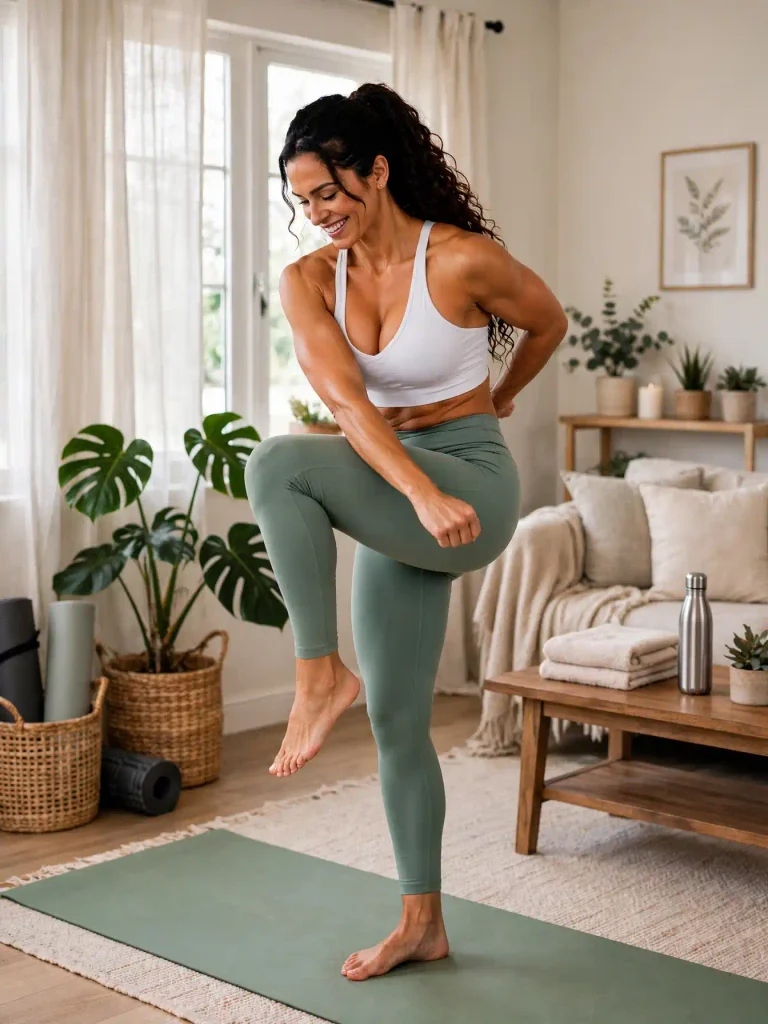
4. Standing Knee Lifts
Standing knee lifts add a little more movement while helping you practise balance and coordination.
How to do it:
- Stand tall with your feet hip-width apart.
- Lift your right knee toward your waist as comfortably as possible.
- Lower it slowly.
- Repeat with your left knee.
Beginner tip: Hold a stable chair or countertop if you need extra support.
5. Low-Impact Dance Steps
Dancing is a fun way to make cardio feel less repetitive. You can use your favourite music and choose movements that match your comfort level.
How to do it:
- Start with gentle side steps.
- Add small arm movements.
- Change directions every few steps.
- Keep moving at a steady, comfortable rhythm.
Beginner tip: There is no need to learn a routine. Simple movements are enough to get started.
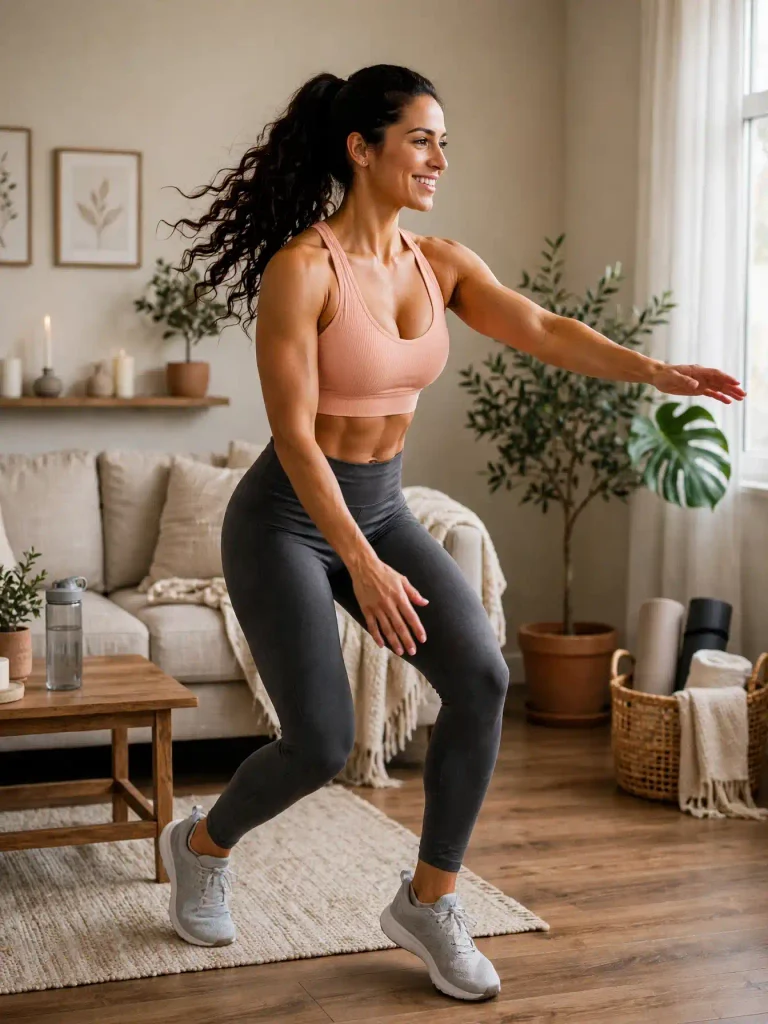
6. Standing Heel Digs
Heel digs add variety to a beginner cardio session without requiring jumping.
How to do it:
- Stand with your feet slightly apart.
- Extend your right foot forward and gently touch the floor with your heel.
- Return to the starting position.
- Repeat with the left foot.
Beginner tip: Add gentle alternating arm movements as you become more confident.
7. Backward Toe Taps
Backward toe taps encourage controlled movement and coordination.
How to do it:
- Stand upright with your feet together.
- Move your right foot slightly behind you.
- Touch the floor with your toes.
- Bring your foot back and repeat with the left leg.
Beginner tip: Keep your movements small and use a stable surface for balance if necessary.
8. Standing Side Knee Raises
This movement combines gentle cardio with controlled side-to-side coordination.
How to do it:
- Stand with your feet comfortably apart.
- Shift your weight slightly to your left foot.
- Lift your right knee out to the side.
- Lower it slowly and repeat on the other side.
Beginner tip: Lift your knee only as high as feels comfortable.
9. Low Step-Ups
If you have a stable, low exercise step, step-ups can add variety to your routine. Skip this exercise if you do not have a suitable platform.
How to do it:
- Stand in front of a stable, non-slip step.
- Place one foot fully on the platform.
- Step up carefully and bring the other foot onto the step.
- Step down slowly, one foot at a time.
Beginner tip: Use a low platform and hold a handrail or stable support if needed. Never use an unstable chair or household object.
10. Gentle Walking in Place
Walking in place is a practical exercise for finishing a workout or adding movement between daily tasks.
How to do it:
- Stand comfortably with your shoulders relaxed.
- Walk in place at a natural pace.
- Swing your arms gently.
- Continue for one to three minutes.
Beginner tip: Slow down whenever you need to recover your breathing.
A Simple 20-Minute Low-Impact Cardio Workout at Home
Once you are comfortable with the individual movements, you can combine them into a short beginner workout.
| Workout section | Exercise | Time |
|---|---|---|
| Warm-up | Gentle marching | 3 minutes |
| Main workout | Step touches | 2 minutes |
| Main workout | Standing knee lifts | 2 minutes |
| Main workout | Side steps with arm movements | 2 minutes |
| Main workout | Heel digs | 2 minutes |
| Main workout | Low-impact dance steps | 2 minutes |
| Main workout | Backward toe taps | 2 minutes |
| Cool-down | Slow walking in place | 3 minutes |
| Cool-down | Gentle comfortable stretches | 2 minutes |
Total: 20 minutes
You can take short breaks between exercises. If 20 minutes feels like too much at first, complete fewer exercises or shorten the session. Gradually build up as your comfort and stamina improve.
Beginner Weekly Low-Impact Cardio Plan
Consistency is more important than trying to do too much in one session. This sample schedule gives you a simple way to organise your week.
| Day | Activity |
|---|---|
| Monday | 10–15 minutes of low-impact cardio |
| Tuesday | Gentle walking or comfortable movement |
| Wednesday | 15–20 minutes of low-impact cardio |
| Thursday | Rest or light stretching |
| Friday | 10–20 minutes of low-impact cardio |
| Saturday | Relaxed walking or beginner dance movements |
| Sunday | Rest |
Adjust the schedule to your needs. If you are new to exercise, begin with fewer sessions and shorter workouts. You can gradually increase your activity over time.
Tips for Getting Started With Cardio at Home
A few simple habits can make your workouts more comfortable and easier to maintain.
Start With a Warm-Up
Spend a few minutes marching slowly, moving your shoulders, and stepping gently from side to side. A warm-up helps prepare your body for the main workout.
Wear Comfortable Clothing and Shoes
Choose clothing that allows you to move freely. Supportive footwear can help you feel stable, especially if you are exercising on a hard floor.
Choose a Safe Workout Space
Move furniture out of the way and check that your floor is not slippery. Make sure you have enough room to step in every direction.
Focus on Consistency
You do not need a long workout every day. Short, regular sessions can help you build a routine that fits your schedule.
Increase Difficulty Gradually
When an exercise starts to feel easier, you can gradually add a little more time or increase your pace. Change one thing at a time rather than making every workout harder.
Listen to Your Body
Take breaks when needed. Stop exercising if you experience chest pain, dizziness, unusual shortness of breath, or sharp pain, and seek appropriate medical advice.
Common Mistakes Beginners Should Avoid
Low-impact cardio is generally simple to follow, but a few common mistakes can make workouts less comfortable.
- Starting too quickly: Begin with a comfortable pace instead of trying to complete a demanding routine immediately.
- Skipping the warm-up: Give yourself a few minutes to prepare before increasing your activity.
- Using movements that feel uncomfortable: Choose alternatives that suit your current ability.
- Ignoring rest days: Recovery is an important part of a balanced activity routine.
- Wearing unsuitable footwear: Choose shoes that feel stable and comfortable.
- Comparing your progress with others: Focus on your own consistency and gradual improvement.
Do You Need Equipment for Low-Impact Cardio at Home?
No. Many beginner low-impact cardio workouts can be performed without equipment.
For a simple home routine, you may only need:
- Comfortable workout clothing
- Supportive shoes
- A non-slip exercise space
- A bottle of water
- A stable chair or countertop for optional balance support
Optional equipment, such as a yoga mat, can make certain standing or floor-based activities more comfortable, but it is not essential for the exercises in this guide.
Frequently Asked Questions
Is low-impact cardio good for beginners?
Yes. Low-impact cardio offers accessible movement options that beginners can adjust to their current fitness level. Start with simple exercises, use a comfortable pace, and increase activity gradually.
Can I do low-impact cardio every day?
Some people enjoy gentle movement every day, but you do not need to perform a structured cardio workout daily. Balance exercise with rest and recovery, especially when you are just starting.
How long should a beginner do low-impact cardio?
A beginner can start with 5 to 10 minutes and gradually increase workout time. The right duration depends on your comfort, current activity level, and individual needs.
Can I do low-impact cardio without jumping?
Absolutely. Exercises such as marching in place, step touches, heel digs, and standing knee lifts do not require jumping.
Is walking in place a cardio exercise?
Yes. Walking in place can raise your heart rate and contribute to your daily physical activity, especially when performed continuously at a comfortable pace.
What is the easiest low-impact cardio exercise?
Marching in place is a good starting option for many beginners because it is simple, requires no equipment, and can be performed at different speeds.
Can I do low-impact cardio in a small room?
Yes. Many exercises in this guide require very little space. Marching, heel digs, standing knee lifts, and step touches can all be performed in a small, clear area.
Final Thoughts
Low-impact cardio workouts at home are a practical way to become more active without needing complicated equipment or a gym membership. Simple exercises such as marching in place, step touches, standing knee lifts, and gentle dance movements can help beginners build a consistent movement routine.
The most important thing is to start at a comfortable level, choose exercises you enjoy, and make gradual progress. You do not need to complete a perfect workout every time. Small, consistent steps can help you build an active lifestyle that feels manageable and enjoyable.