This post contains affiliate links. As an Amazon Associate, I earn from qualifying purchases. This comes at no extra cost to you.
Exercises to do with weight can form the foundation of a Full Body Exercise Routine, designed to activate all major muscle groups in a single session. This approach balances strength, endurance, and flexibility, making it ideal for maximizing workout efficiency. Whether you’re new to fitness or a seasoned athlete, it offers a time-saving way to achieve total-body fitness and enhance overall health.
As a health and fitness researcher, I’ve tested dozens of routines, including this one on my partner, Jason, who needed a quick, adaptable program. The results? A stronger, fitter body in less than two months without spending hours in the gym.
Table of Contents
- Why is Full Body Exercise Routine important?
- What do you need to know about Full Body Exercise Routine?
- How do you get started with Full Body Exercise Routine?
- Frequently Asked Questions About Full Body Exercise Routine
- What tools or equipment do you need for Full Body Exercise Routine?
- Are there variations or alternatives to Full Body Exercise Routines?
- What expert tips can improve your Full Body Exercise Routine?
- What results can you expect from a Full Body Exercise Routine?
Why is Full Body Exercise Routine important?
A Full Body Exercise Routine is important because it provides balanced strength development, saves time, and enhances overall fitness. It engages multiple muscle groups in one session, making it efficient and effective for all fitness levels. This type of workout can improve cardiovascular health, build muscle, and boost metabolic rate in a single session.
- Increases efficiency by targeting all major muscle groups in one session.
- Helps maintain a healthy balance between strength, endurance, and flexibility.
- Boosts calorie burn and metabolic health compared to isolated exercises.
- Reduces time spent in the gym—perfect for busy schedules.
What do you need to know about Full Body Exercise Routine?
A Full Body Exercise Routine consists of compound movements that work multiple joints and muscle groups simultaneously. These workouts are versatile, effective for weight loss or muscle building, and can be adapted to suit any fitness level. They typically include strength training, flexibility exercises, and cardiovascular components.
- Focus on compound exercises like squats, deadlifts, and push-ups for maximum impact.
- Incorporate flexibility and mobility exercises to prevent injuries.
- Use moderate weights to maintain proper form and minimize fatigue.
- Rest 48 hours between sessions to allow full recovery.
How do you get started with Full Body Exercise Routine?
To get started with a Full Body Exercise Routine, focus on a balanced plan that includes warm-ups, strength exercises, and cool-downs. Start with basic compound movements and gradually increase intensity as your fitness improves. Follow these steps for a structured approach:
Step 1 — Warm-Up
Begin with 5-10 minutes of dynamic stretches or light cardio to increase blood flow and prepare your muscles.
Step 2 — Choose Your Exercises
Select compound movements like squats, push-ups, or deadlifts to target multiple muscle groups.
Step 3 — Perform 3 Sets of Each
Aim for 8-12 repetitions per exercise, adjusting the intensity based on your fitness level.
You might also enjoy our full body split guide ultimate.
Step 4 — Incorporate Flexibility Work
End your workout with stretches like hamstring or hip flexor stretches to improve mobility.
Step 5 — Cool Down
Wrap up with low-intensity movements or static stretches to reduce soreness and tension.


Frequently Asked Questions About Full Body Exercise Routine
Can I do a Full Body Exercise Routine every day?
No, it’s recommended to have at least one rest day between full body sessions to allow proper recovery and muscle repair.
Is a Full Body Exercise Routine good for weight loss?
Yes, full body workouts burn more calories per session by engaging multiple muscle groups and boosting your heart rate.
What equipment do I need for a Full Body Exercise Routine?
Basic equipment like dumbbells, resistance bands, or a gym bench is helpful but not necessary for bodyweight-focused routines.
For more ideas, check out our body pump crop cherry red.
How long should a Full Body Exercise Routine take?
A typical session lasts between 45 to 60 minutes, including warm-up and cool-down periods.
Can beginners do a Full Body Exercise Routine?
Yes, beginners can start with basic bodyweight exercises and gradually incorporate weights as their fitness improves.
What tools or equipment do you need for Full Body Exercise Routine?
While a Full Body Exercise Routine can be done with minimal equipment, having some tools can enhance your workouts. Here’s what I recommend:
- Dumbbells for strength training and progression.
- Resistance bands for portable, versatile options.
- A yoga mat for comfort during stretching and floor exercises.
Are there variations or alternatives to Full Body Exercise Routines?
Yes, Full Body Exercise Routines can be modified based on your goals and preferences. Here are a few alternatives:
- Bodyweight-only routines for those without access to equipment.
- High-intensity interval training (HIIT) for cardio and strength combined.
- Split routines if you prefer targeting fewer muscle groups per session.
What expert tips can improve your Full Body Exercise Routine?
Consistency and proper form are key to success. Here are additional tips for optimizing results:
- Track your progress to ensure consistent improvement.
- Focus on quality over quantity to avoid injuries.
- Mix up exercises to prevent plateaus and keep it fun.
- Include active recovery days to support muscle repair and reduce burnout.
What results can you expect from a Full Body Exercise Routine?
Over time, expect improved strength, better endurance, and enhanced overall health. Most people notice increased muscle tone and more energy within eight weeks. Stay consistent, and you’ll achieve measurable physical and mental benefits.
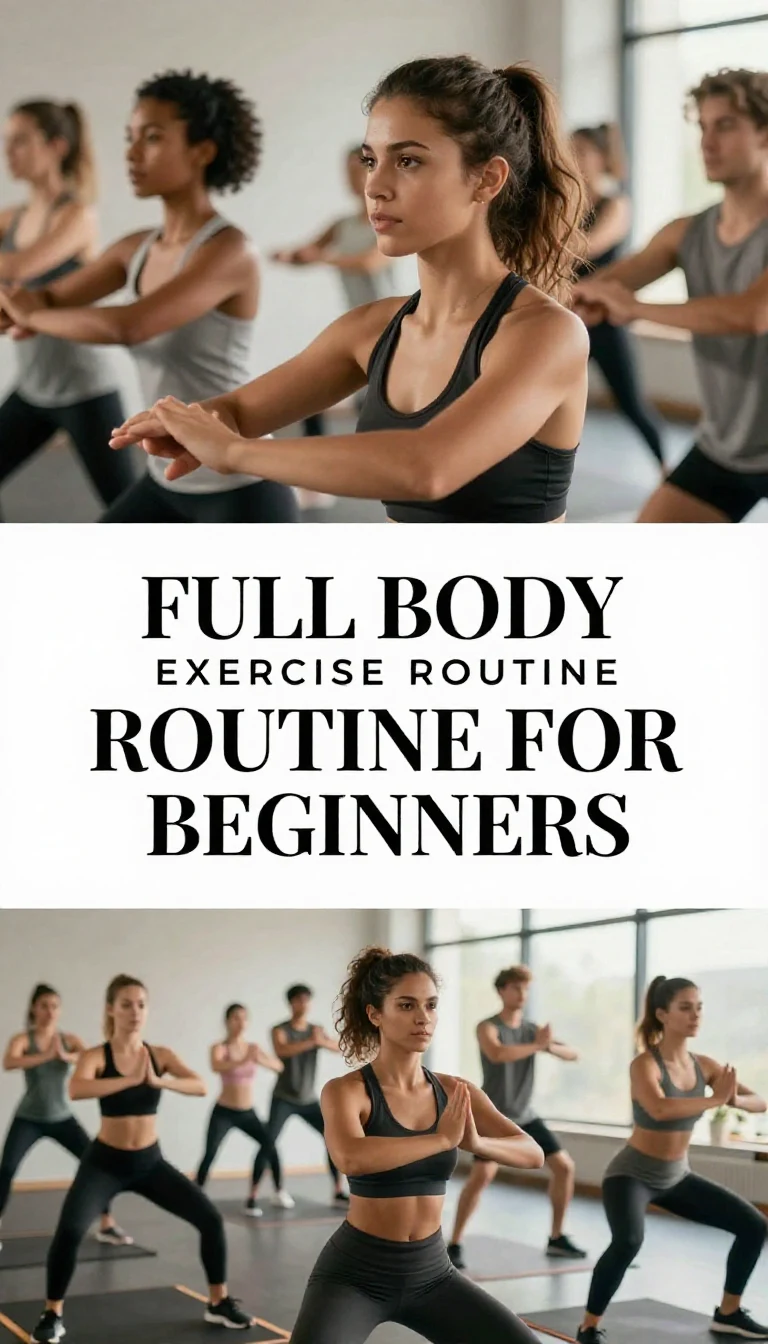
Loved this post? Save it to your favorite Pinterest board so you can easily find it later! ✨