This post contains affiliate links. As an Amazon Associate, I earn from qualifying purchases. This comes at no extra cost to you.
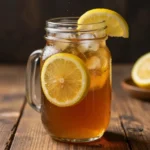
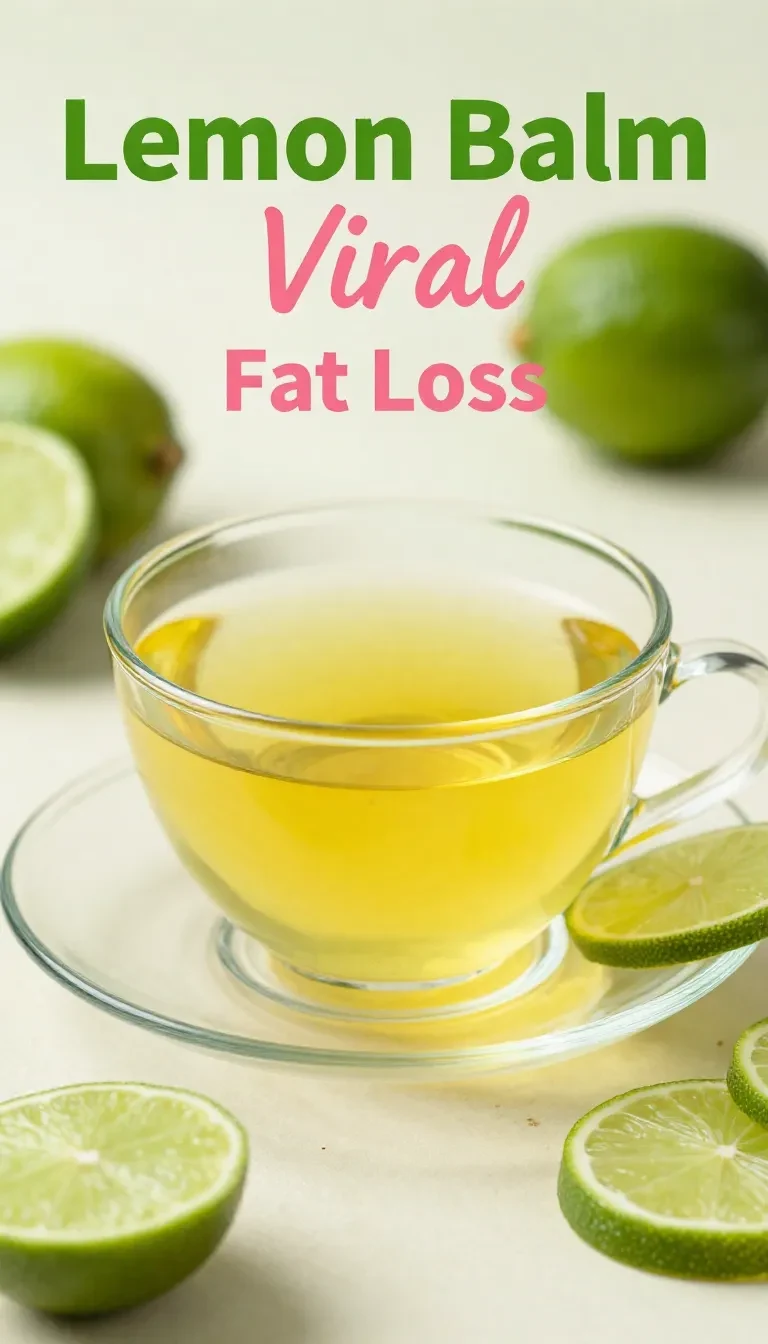
This Lemon Balm Tea Recipe is a fragrant and calming herbal drink that highlights the delicate citrus flavor of fresh lemon balm leaves. With its soothing aroma and warm, refreshing taste, it’s perfect for relaxation or as a gentle pick-me-up. A touch of honey or a slice of lemon can elevate this tea into a cozy yet refreshing beverage.
Table of Contents
- Why This Lemon Balm Tea Recipe Is Perfect For You
- Everything You Need for Lemon Balm Tea Recipe
- How To Make Lemon Balm Tea Recipe Step by Step
- Serving Suggestions for Lemon Balm Tea
- Storage and Reheating Tips for Lemon Balm Tea
- Expert Tips for Perfect Lemon Balm Tea
- The History of Lemon Balm Tea
Why This Lemon Balm Tea Recipe Is Perfect For You
- This recipe is ideal for relaxation, offering a soothing escape from busy days. The natural citrus aroma of lemon balm calms the senses and promotes tranquility.
- It’s an easy homemade option for herbal tea enthusiasts. You only need a few simple ingredients and minimal prep time to enjoy a flavorful cup.
- Lemon balm tea is versatile and customizable. Add honey or lemon slices to tailor the taste to your liking, making it suitable for every palate.
- This tea is a gentle, caffeine-free alternative to regular teas. Perfect for unwinding in the evening or soothing your mood during stressful moments.
Everything You Need for Lemon Balm Tea Recipe
- 1/4 cup fresh lemon balm leaves, loosely packed
- 2 cups boiling water
- Honey or sugar, to taste (optional)
- Lemon slices, for garnish (optional)
Fresh lemon balm leaves are the star of this recipe, providing their signature calming citrus flavor. The optional honey or sugar adds sweetness, while the lemon slices enhance the tea’s bright, refreshing notes.
How To Make Lemon Balm Tea Recipe Step by Step
- Rinse the fresh lemon balm leaves under cool water to remove any dirt or debris. Be gentle to avoid bruising the leaves, which can diminish their flavor.
- Gently pat the leaves dry with a clean towel or allow them to air dry completely. This step helps preserve the herbal aroma when steeping.
- Place the lemon balm leaves in a teapot or heatproof mug. Use loosely packed leaves to achieve an optimal balance of flavor.
- Pour 2 cups of boiling water over the leaves, ensuring they are fully submerged for proper infusion.
- Cover the teapot or mug and let the tea steep for 5-10 minutes, depending on your preferred strength. A longer steep time creates a stronger, bolder flavor.
- Strain the tea into a cup to remove the leaves, or leave them in for a more rustic presentation. Choose based on your aesthetic or textural preference.
- Sweeten with honey or sugar, if desired, and stir well. Adjust sweetness in small increments to suit your taste.
- Garnish with a lemon slice for added flavor and visual appeal. The garnish enhances the citrus profile while making the tea more inviting.

An electric kettle with precise temperature control, ideal for boiling water for herbal teas.
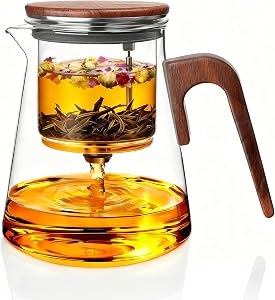
A heatproof glass teapot perfect for steeping herbal teas like Lemon Balm Tea.
Serving Suggestions for Lemon Balm Tea
- Enjoy this tea on its own for a soothing herbal experience. Its light, clean flavors make it an excellent beverage before bedtime.
- Pair it with a light snack, such as buttery shortbread or a fruit salad. The tea’s citrus notes complement mildly sweet dishes beautifully.
- Serve iced lemon balm tea during warmer months. Chill the brewed tea and serve over ice for a refreshing treat.
- Combine it with a slice of pound cake for a tea-time pairing. The gentle flavors of the tea balance the richness of the dessert.
Storage and Reheating Tips for Lemon Balm Tea
To store leftover lemon balm tea, let it cool completely and transfer it to an airtight container. Refrigerate for up to 3 days to maintain freshness.
Reheat cold tea on the stovetop over low heat until warm, or microwave it in a safe container for 30-60 seconds. Avoid boiling during reheating to preserve the tea’s delicate flavor.
If storing longer, freeze the tea in ice cube trays for up to a month. Use the cubes in iced tea or smoothies for a unique twist.
Expert Tips for Perfect Lemon Balm Tea
- Use freshly harvested lemon balm leaves for the best flavor. Leaves picked in the morning have the highest concentration of essential oils.
- Steep the tea covered to trap aromatic compounds. This enhances the calming effect and maximizes the herb’s citrusy essence.
- Experiment with steeping times to find your perfect flavor profile. Lighter tea requires shorter steeping, while longer infusion provides a bolder taste.
- If growing lemon balm at home, trim leaves regularly to encourage healthy growth. Fresh, healthy plants yield the most flavorful tea leaves.
The History of Lemon Balm Tea
Lemon balm, also known as Melissa officinalis, has been cultivated for centuries and valued for its medicinal properties. Historically, it was used in traditional medicine to promote relaxation and support digestion.
Originating in the Mediterranean, lemon balm spread throughout Europe and became a go-to herb for soothing remedies. Today, its light citrus flavor and calming benefits make it a popular choice for herbal teas worldwide.
Lemon Balm Tea Recipe
Ingredients
Method
- Rinse the fresh lemon balm leaves under cool water to remove any dirt or debris.
- Gently pat the leaves dry with a clean towel or allow them to air dry.
- Place the lemon balm leaves in a teapot or heatproof mug.
- Pour 2 cups of boiling water over the leaves.
- Cover the teapot or mug and let the tea steep for 5-10 minutes, depending on your preferred strength.
- Strain the tea into a cup to remove the leaves, or leave them in for a more rustic presentation.
- Sweeten with honey or sugar, if desired, and stir well.
- Garnish with a lemon slice for added flavor and presentation, if you like.
Notes
Loved this recipe? Save it to your favorite Pinterest board so you can easily find it later! ✨