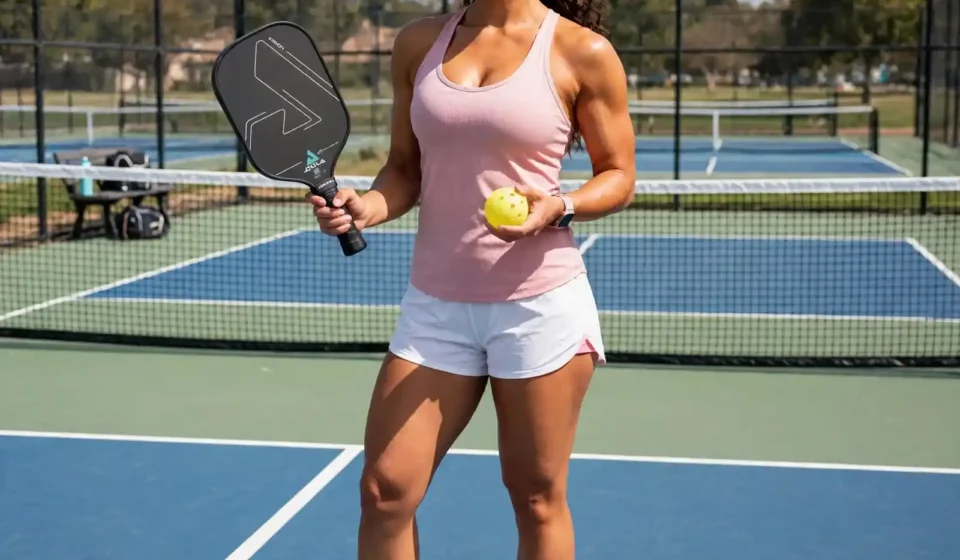

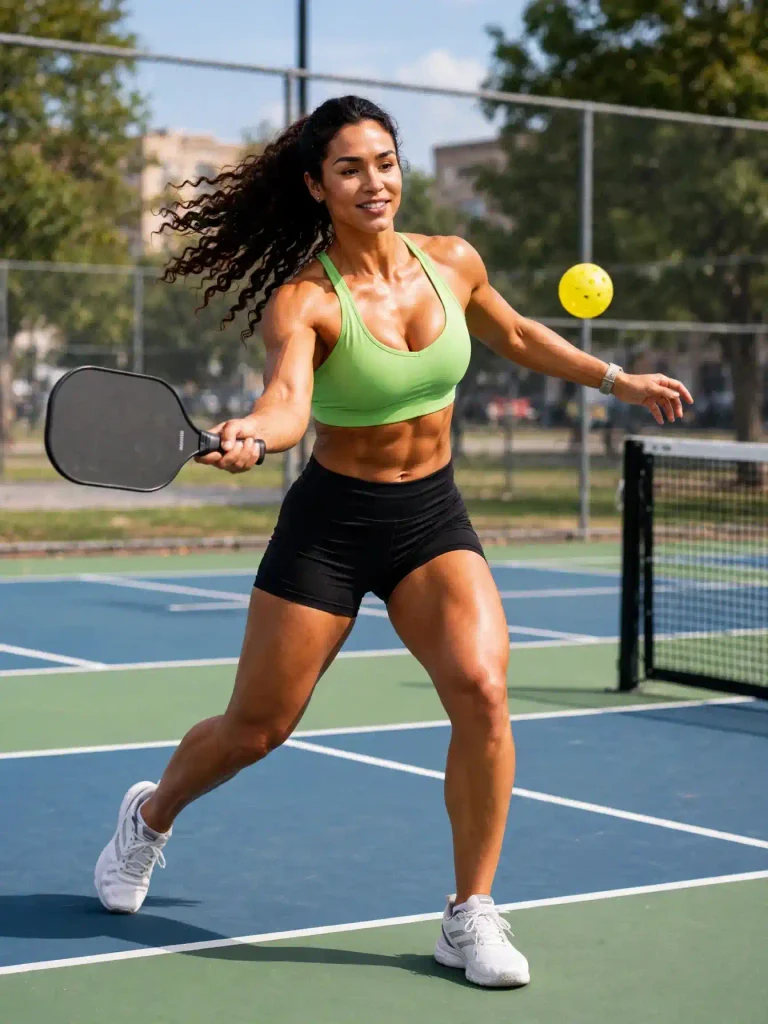
Pickleball is a fun and fast-growing sport that combines elements of tennis, badminton, and table tennis. Although the court is smaller than a tennis court, the game involves plenty of movement, including quick steps, changes of direction, reaching, and short bursts of activity.
Pickleball Fitness: Exercises to Improve Agility and Endurance Whether you are a beginner or already enjoy playing regularly, improving your fitness can help you move more comfortably and feel more confident on the court.
The good news is that you do not need an advanced training program to get started. Simple exercises that develop balance, coordination, leg strength, and cardiovascular endurance can support your pickleball performance.
In this guide, you’ll discover the best pickleball fitness exercises, how to practise agility and endurance, and how to build a beginner-friendly workout routine.
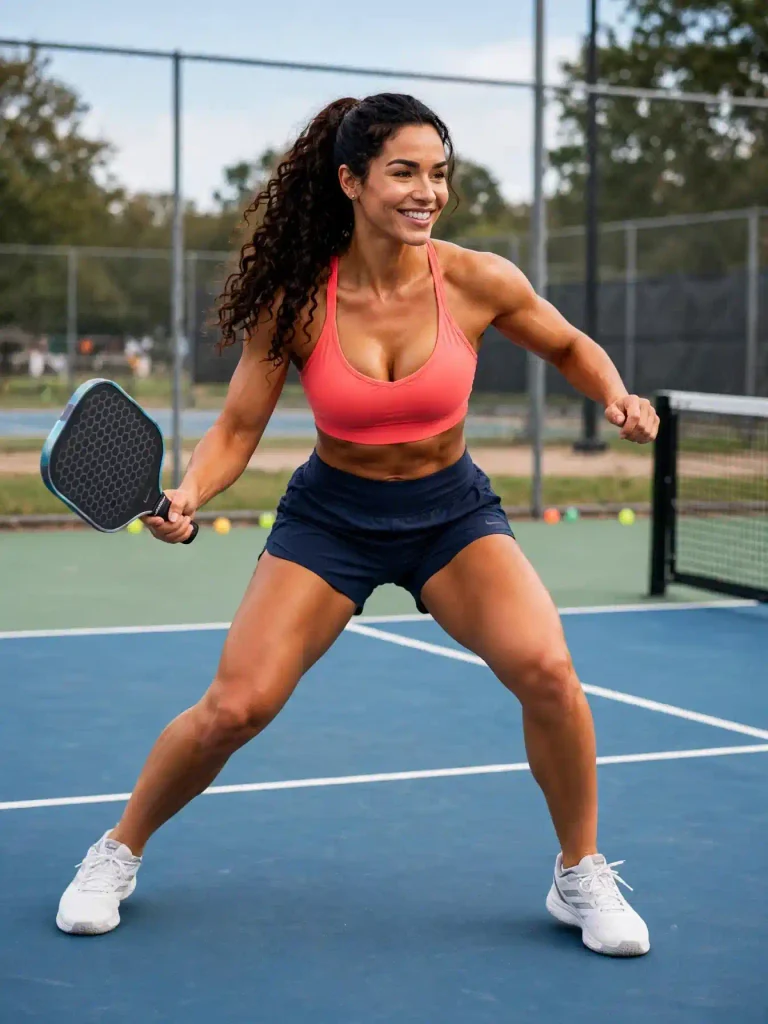
Why Is Fitness Important for Pickleball?
Pickleball involves more than hitting a ball over a net. Players regularly move forward, backward, and sideways while reacting to the direction and speed of the ball.
A balanced fitness routine can help develop several abilities that are useful during a game.
1. Agility and Quick Direction Changes
Agility is the ability to change direction while maintaining control of your body.
Pickleball players frequently move between different areas of the court, so practising controlled side steps and footwork can be useful.
2. Cardiovascular Endurance
A game involves repeated periods of movement followed by short breaks.
Developing cardiovascular endurance can help you participate more comfortably in longer playing sessions.
3. Lower-Body Strength
Your legs help you move around the court, change direction, and maintain a stable position.
Exercises such as squats, step-ups, and glute bridges can help develop lower-body strength.
4. Balance and Coordination
Good balance helps you control your movements when reaching for a shot or changing direction.
Simple balance exercises can help develop body awareness and coordination.
5. Core Stability
Your core muscles help stabilize your body during movement and while reaching or rotating to play a shot.
A stronger, more controlled core can support general movement and balance.
8 Best Exercises to Improve Pickleball Fitness
You can perform these beginner-friendly exercises at home, in a gym, or in a suitable outdoor space. Start slowly and focus on comfortable, controlled movements.
1. Lateral Side Steps
Main focus: Agility, coordination, and lower-body control.
Side steps practise the sideways movement used frequently during pickleball.
How to do it:
- Stand with your feet comfortably apart.
- Bend your knees slightly.
- Take a controlled step to the right.
- Bring your other foot toward it without crossing your legs.
- Continue for a few steps.
- Repeat in the opposite direction.
Beginner suggestion: Practise for 20–30 seconds, then rest.
Pickleball benefit: Helps you become more familiar with controlled sideways movement.
2. Bodyweight Squats
Main focus: Quadriceps, glutes, hamstrings, and core.
Squats help develop lower-body strength for everyday movement and court activities.
How to do it:
- Stand with your feet approximately shoulder-width apart.
- Keep your chest in a comfortable upright position.
- Bend your hips and knees to lower yourself.
- Keep your feet stable on the floor.
- Push through your feet to return to standing.
Beginner suggestion: Start with 8–10 comfortable repetitions.
Pickleball benefit: Supports lower-body strength and controlled movement.
3. Forward and Backward Footwork
Main focus: Coordination, balance, and movement control.
This simple drill helps you practise moving toward and away from the net.
How to do it:
- Stand in a clear, open space.
- Take two small steps forward.
- Pause and regain your balance.
- Take two small steps backward.
- Repeat at a comfortable pace.
Beginner suggestion: Continue for 20–30 seconds.
Pickleball benefit: Practises moving between different court positions.
4. Step-Ups
Main focus: Glutes, quadriceps, and balance.
Step-ups develop lower-body strength using a movement that is easy to adjust for beginners.
How to do it:
- Stand in front of a stable, low step.
- Place one foot securely on the platform.
- Step up while keeping your movement controlled.
- Bring the other foot onto the platform.
- Step down carefully.
- Alternate your leading foot.
Beginner suggestion: Try 6–8 repetitions per side.
Pickleball benefit: Helps develop leg strength and coordination.
5. Standing Knee Raises
Main focus: Hip movement, balance, and coordination.
Standing knee raises are a simple way to practise controlled movement while maintaining an upright position.
How to do it:
- Stand comfortably with your feet apart.
- Lift one knee toward a comfortable height.
- Lower your foot slowly.
- Repeat with the opposite leg.
- Continue alternating sides.
Beginner suggestion: Practise for 20–30 seconds.
Pickleball benefit: Encourages balance and controlled leg movement.
6. Glute Bridges
Main focus: Glutes, hamstrings, and core.
Glute bridges are performed on the floor and help strengthen the muscles around your hips.
How to do it:
- Lie on your back with your knees bent.
- Place your feet flat on the floor.
- Keep your arms relaxed beside your body.
- Lift your hips comfortably.
- Pause briefly.
- Lower your hips slowly.
Beginner suggestion: Start with 8–12 repetitions.
Pickleball benefit: Develops hip and lower-body strength.
7. Bird Dogs
Main focus: Core stability, balance, and coordination.
Bird dogs are a controlled exercise that challenges your ability to maintain a stable position while moving opposite limbs.
How to do it:
- Start on your hands and knees.
- Keep your back in a comfortable neutral position.
- Extend your right arm and left leg.
- Pause briefly while maintaining balance.
- Return to the starting position.
- Repeat with the opposite arm and leg.
Beginner suggestion: Try 5–8 repetitions per side.
Pickleball benefit: Supports general core stability and coordination.
8. Easy Walking or Cycling
Main focus: Cardiovascular endurance.
Walking and cycling are accessible ways to practise sustained, comfortable physical activity.
How to do it:
- Choose a comfortable route or stationary bike.
- Begin at an easy pace.
- Maintain a rhythm that allows you to speak comfortably.
- Take breaks whenever needed.
- Finish by gradually slowing down.
Beginner suggestion: Start with 10–20 minutes, adjusting the duration to your comfort.
Pickleball benefit: Helps develop general cardiovascular endurance.
Best Agility Drills for Pickleball Players
Agility training does not have to involve complicated equipment. A little open space and a few simple markers can be enough.
Here are three drills to explore after learning the basic movements.
1. Cone Side-Step Drill
Place two markers a short distance apart.
- Start beside the first marker.
- Move sideways toward the second marker.
- Stop under control.
- Return to the starting position.
Practise at a comfortable speed before gradually becoming more confident with the movement.
2. Forward and Backward Movement Drill
Use two markers to create a short movement path.
- Walk forward toward the second marker.
- Pause and stabilize your position.
- Walk backward toward the starting point.
- Repeat at an easy pace.
Avoid rushing backward. Maintaining balance is more important than speed.
3. Controlled Reaction Drill
Ask a partner to point left, right, forward, or backward.
- Begin in a comfortable athletic stance.
- Watch your partner’s signal.
- Move in the indicated direction.
- Stop under control.
- Return to your starting position.
This drill introduces simple reaction practice without requiring fast or unpredictable movements.
How to Improve Pickleball Endurance
Endurance helps you maintain comfortable activity over time. You can develop it through several types of exercise.
Comfortable Walking
Regular walking is an accessible starting point. You can gradually adjust the duration as your fitness and confidence develop.
Easy Cycling
Cycling allows you to practise sustained movement while choosing a comfortable resistance and pace.
Swimming
If you enjoy swimming, relaxed sessions can provide another way to develop general cardiovascular fitness.
Recreational Pickleball
Playing at a comfortable level can also provide movement practice. Allow breaks and avoid turning every game into a demanding fitness session.
Walk-and-Jog Sessions
If you already enjoy walking and want to explore running, alternating comfortable walking with short jogging periods can be a gradual introduction.
You do not need to use every activity. Choose the ones that fit your interests and schedule.
A Simple Pickleball Fitness Workout for Beginners
Here is an example of a short routine combining strength, coordination, and agility.
| Exercise | Suggested amount |
|---|---|
| Lateral side steps | 20 seconds |
| Bodyweight squats | 8–10 reps |
| Forward and backward footwork | 20 seconds |
| Step-ups | 6 per side |
| Standing knee raises | 20 seconds |
| Glute bridges | 8–12 reps |
| Bird dogs | 5 per side |
Start with one comfortable round. Take breaks between exercises and repeat only if you feel comfortable and can maintain good technique.
This workout is an introduction to pickleball-related fitness, not a replacement for playing the sport.
Example Weekly Pickleball Fitness Schedule
A balanced schedule can combine court practice, general strength exercises, and recovery.
| Day | Activity | Main focus |
|---|---|---|
| Monday | Beginner strength exercises | Lower-body and core strength |
| Tuesday | Comfortable pickleball practice | Skills and movement |
| Wednesday | Rest or gentle walking | Recovery |
| Thursday | Agility and coordination drills | Footwork |
| Friday | Easy walking or cycling | Endurance |
| Saturday | Recreational pickleball | Enjoyable play |
| Sunday | Complete rest | Recovery |
This is only an example. Beginners can start with fewer sessions and adjust the schedule according to their experience, energy, and recovery needs.
Warm-Up Exercises Before Playing Pickleball
A suitable warm-up helps prepare you for movement before a game.
Spend a few minutes performing gentle activities such as:
- Easy walking
- Shoulder circles
- Gentle arm swings
- Ankle circles
- Controlled side steps
- Comfortable bodyweight squats
Begin slowly and increase your movement gradually.
Avoid starting a game with sudden, demanding movements before your body is ready.
Common Pickleball Fitness Mistakes to Avoid
1. Focusing Only on Speed
Moving quickly is not the only part of agility. Balance, coordination, and control are equally important.
2. Skipping Strength Exercises
Running and playing pickleball provide cardiovascular activity, but strength exercises help develop different physical abilities.
3. Doing Too Much Too Soon
Increasing exercise duration, intensity, and frequency all at once can make your routine difficult to manage. Build gradually.
4. Ignoring Footwear and Court Conditions
Wear comfortable sports shoes appropriate for the court surface. Check that the playing area is clear and avoid moving on slippery surfaces.
5. Forgetting Recovery
Your fitness routine should include rest days, adequate sleep, regular meals, and enough time between demanding sessions.
Safety Tips for Pickleball Fitness
Before starting a new exercise routine, keep these points in mind:
- Choose exercises that match your current ability.
- Use a stable surface and suitable footwear.
- Keep your movements controlled.
- Take breaks when you need them.
- Avoid practising agility drills in crowded or slippery spaces.
- Stop if you experience sharp pain, dizziness, or unusual discomfort.
- If you have an injury or health condition, seek professional guidance before beginning a new training program.
The aim is to develop confidence and movement skills without putting unnecessary pressure on your body.
Frequently Asked Questions About Pickleball Fitness
What fitness is needed for pickleball?
Pickleball involves cardiovascular endurance, agility, balance, coordination, and lower-body strength. Beginners can develop these abilities through walking, basic strength exercises, and controlled footwork drills.
How can I improve my agility for pickleball?
Practise lateral side steps, forward and backward movement, controlled direction changes, and simple reaction drills. Start slowly and focus on balance before increasing speed.
What are the best exercises for pickleball players?
Bodyweight squats, step-ups, glute bridges, bird dogs, lateral steps, and walking are useful beginner-friendly exercises that support different aspects of fitness.
Does pickleball count as cardio?
Yes. Playing pickleball involves physical movement that can contribute to cardiovascular activity. The intensity varies depending on the length of play, playing style, and individual fitness.
How often should beginners do pickleball fitness exercises?
There is no single schedule for everyone. Start with a manageable combination of court practice, basic strength exercises, and recovery days. Adjust according to your experience and how you feel.
Can I improve pickleball fitness at home?
Yes. Many useful exercises, including squats, glute bridges, bird dogs, and lateral steps, require little or no equipment and can be practised at home.
Is strength training useful for pickleball?
Yes. Strength training can help develop the muscles involved in movement, balance, and general physical activity. It can complement regular pickleball practice.
Final Thoughts
Improving your pickleball fitness is about developing more than speed. Agility, endurance, balance, coordination, and strength all contribute to comfortable movement on the court.
Start with simple exercises such as lateral side steps, squats, step-ups, and glute bridges. Add comfortable walking or cycling to your routine, and practise controlled footwork as your confidence improves.
You do not need an advanced training program to get started. Focus on enjoyable movement, good technique, and regular recovery. Over time, these habits can help you feel more prepared to enjoy pickleball.