


Walking is one of the simplest ways to stay active, but there are different ways to make it more challenging. One activity that has become increasingly popular is rucking.
Rucking for Beginners: Benefits, Tips, and How to Get Started Rucking involves walking while carrying a backpack with some weight inside. It combines regular walking with resistance, creating a workout that challenges your muscles and cardiovascular system.
You do not need expensive gym equipment or complicated training plans to understand the basics. However, carrying extra weight requires a little preparation, especially if you are new to exercise.
In this beginner’s guide, you will learn what rucking is, its potential benefits, what equipment you need, and how to approach it safely.
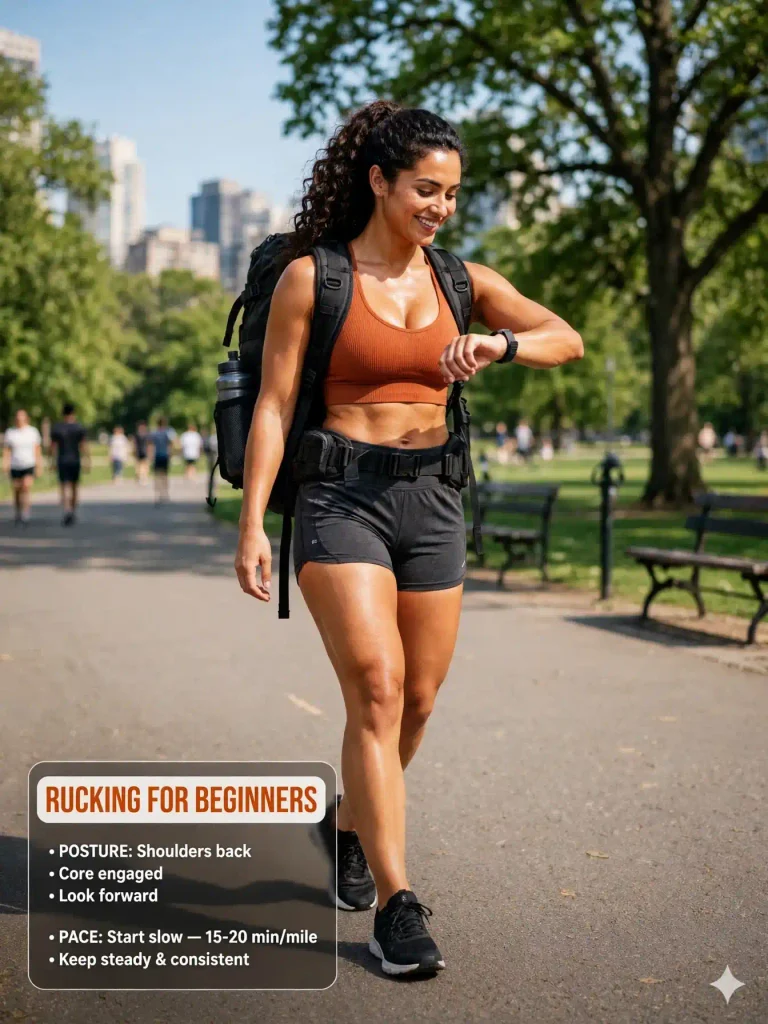
What Is Rucking?
Rucking is a form of walking that involves carrying a weighted backpack. The additional load makes walking more physically demanding than walking without a backpack.
The activity has roots in military training, where people traditionally walked long distances while carrying equipment. Today, rucking is also practised as a recreational fitness activity.
Unlike running, rucking keeps both feet closer to the ground during normal walking movements. However, carrying extra weight increases the demands placed on your body.
A typical rucking session involves:
- Wearing a comfortable, supportive backpack.
- Walking along a suitable route.
- Maintaining a steady, manageable pace.
- Carrying a load that is appropriate for your experience.
- Taking breaks when necessary.
The most important part for beginners is learning how to walk comfortably before making the activity more challenging.
Benefits of Rucking
Rucking combines walking and resistance from a backpack. It can offer several fitness benefits when approached gradually.
1. Supports Cardiovascular Fitness
Walking while carrying additional weight generally requires more effort than ordinary walking.
This can increase the cardiovascular demands of the activity and provide another way to include aerobic exercise in your routine.
2. Challenges Lower-Body Muscles
Walking with a backpack requires your legs and hips to support your body and the additional load.
Muscles involved include:
- Quadriceps
- Hamstrings
- Glutes
- Calves
- Hip muscles
The level of muscular demand depends on the weight carried, walking pace, terrain, and duration.
3. Engages Your Core and Upper Body
Your core muscles help stabilise your body while you walk. Your shoulders and upper back also help support the backpack.
A comfortable backpack with an appropriate fit can make the activity easier to manage.
4. Offers an Outdoor Fitness Option
Rucking can be performed in parks, on walking paths, or in other suitable outdoor spaces.
For people who enjoy spending time outside, it can be an interesting alternative to indoor cardio workouts.
5. Can Be Adapted to Different Fitness Levels
Rucking can be adjusted by changing the walking duration, route, pace, and carried load.
Beginners should focus on comfortable walking and good technique before considering additional challenges.
What Equipment Do You Need for Rucking?
You do not need a complicated setup to understand rucking, but comfortable equipment makes a difference.
1. A Comfortable Backpack
Choose a backpack that fits your body and sits securely against your back.
Look for:
- Adjustable shoulder straps.
- Comfortable padding.
- A secure closure.
- A design that does not move excessively while walking.
- A suitable fit for your torso.
A poorly fitted backpack can make walking uncomfortable, even without additional weight.
2. Comfortable Walking Shoes
Choose shoes that provide a comfortable fit and suitable support for your walking route.
If you are walking outdoors, consider the surface, weather, and terrain before choosing your footwear.
3. Comfortable Clothing
Wear clothing that allows you to move freely and helps you stay comfortable in the weather.
For outdoor walks, consider breathable fabrics and appropriate layers.
4. Water
Bring water, particularly when walking in warm weather or spending longer periods outdoors.
In hot conditions, choose a cooler time of day and avoid pushing yourself when temperatures are uncomfortable.
How to Get Started With Rucking
If you are new to rucking, the best approach is to build a comfortable walking routine first.
Carrying extra weight is not necessary for improving your general fitness. If you decide to try rucking, take time to understand how your body responds to the additional demand.
Step 1: Build a Regular Walking Habit
Start with ordinary walking before introducing a weighted backpack.
This gives you time to become comfortable with walking duration, footwear, and your chosen route.
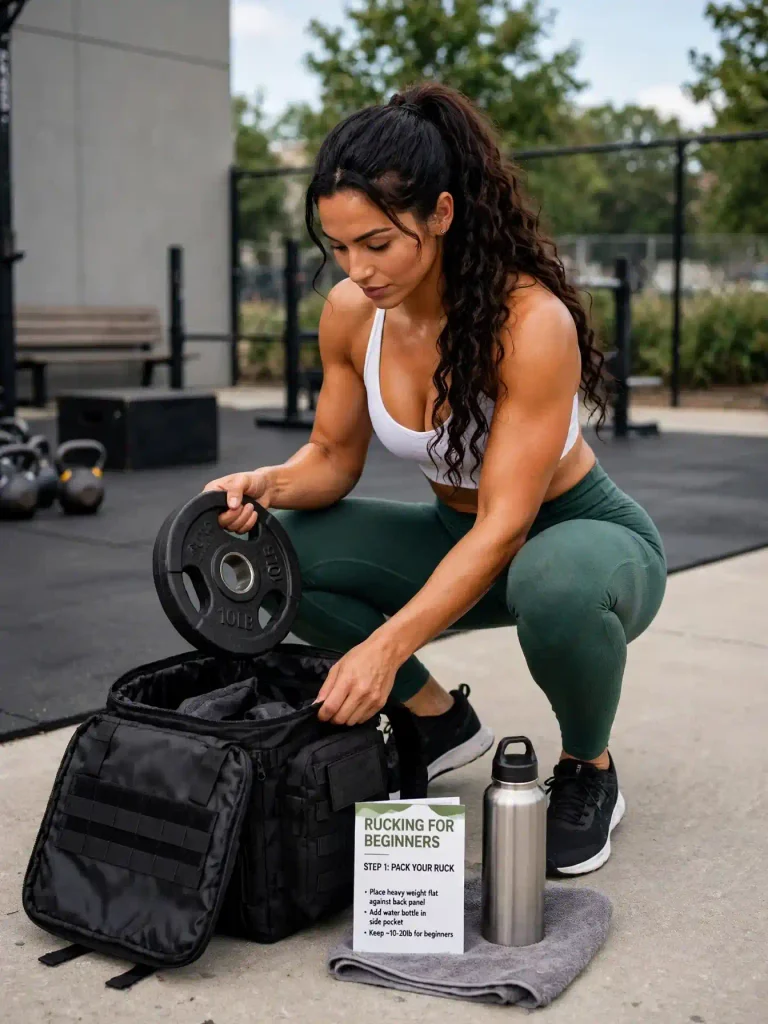
Step 2: Choose a Suitable Backpack
Select a backpack that fits comfortably and does not shift around while walking.
Adjust the straps so the backpack sits securely without creating uncomfortable pressure.
Step 3: Begin With a Comfortable Route
Choose a flat, familiar walking path with a safe surface.
Avoid steep hills, uneven trails, and difficult terrain while learning the basics.
Step 4: Keep Your Walking Pace Comfortable
Walk at a pace that allows you to breathe comfortably and maintain a conversation.
You should not feel pressured to walk quickly or compete with other people.
Step 5: Pay Attention to Comfort
Notice how your shoulders, back, hips, knees, and feet feel during and after walking.
Stop if you experience pain, dizziness, unusual shortness of breath, or other concerning symptoms.
Step 6: Progress Gradually
Avoid increasing walking duration, speed, terrain difficulty, and backpack weight all at once.
Changing one aspect at a time makes it easier to understand how your body responds.
Rucking vs. Regular Walking: What Is the Difference?
Both activities involve walking, but carrying a backpack changes the physical demands.
| Feature | Regular walking | Rucking |
|---|---|---|
| Equipment | Comfortable shoes | Shoes and backpack |
| Additional load | No backpack load required | Carries extra weight |
| Physical demand | Depends on pace and terrain | Generally higher due to added load |
| Accessibility | Very accessible | Requires more preparation |
| Beginner suitability | A good starting activity | Requires additional caution |
| Main activity | Walking | Walking with a backpack |
Neither activity is automatically better. Regular walking is an excellent option for everyday movement, while rucking offers a more demanding variation for people who are prepared for it.
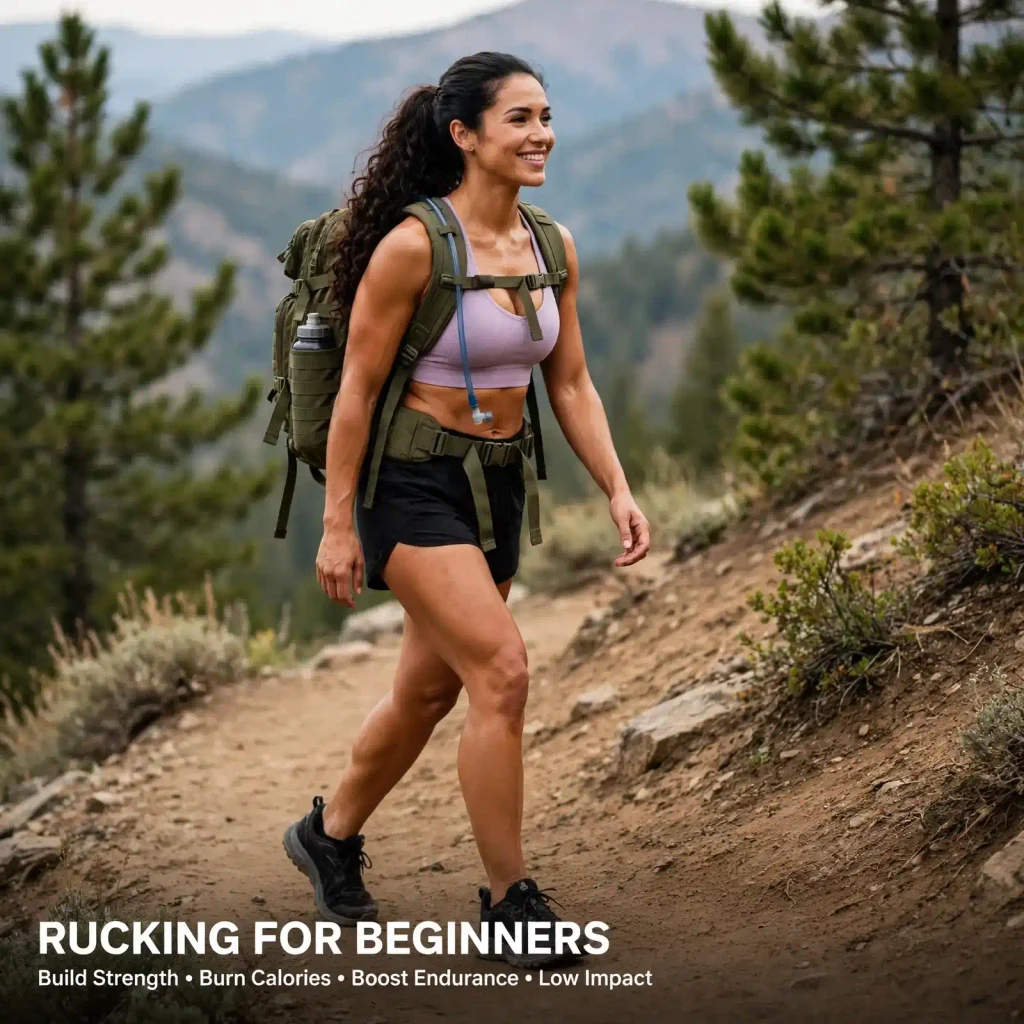
Is Rucking Good for Beginners?
Rucking can be physically demanding, particularly for someone who is not used to carrying additional weight while walking.
For beginners, regular walking is usually the better place to start.
Before trying rucking, consider whether you can comfortably walk for a suitable period without pain or unusual fatigue. Make sure you have appropriate footwear and a backpack that fits correctly.
If you have an existing injury, joint or back problems, or another health concern, speak with a qualified healthcare professional before adding extra weight to your walks.
You do not need to rush into rucking to benefit from walking.
Common Rucking Mistakes to Avoid
A few mistakes can make rucking less comfortable and increase unnecessary strain.
Carrying Too Much Weight
Adding too much weight too soon can make walking unnecessarily difficult. Beginners should not treat heavier backpacks as a sign of better training.
Choosing an Uncomfortable Backpack
A backpack that moves around or places uncomfortable pressure on your shoulders can affect your walking experience.
Choose a suitable fit before focusing on other aspects of the activity.
Walking Too Fast
Rucking is not a race. A steady, comfortable pace is a better starting point than trying to walk as quickly as possible.
Ignoring Pain
Discomfort should not be treated as something you must push through. Stop if you experience pain and seek appropriate advice if symptoms continue.
Starting With Difficult Terrain
Steep hills and uneven paths can add extra challenges. Beginners should choose simple, familiar routes.
Forgetting Water and Weather Conditions
Outdoor exercise requires preparation. Consider the temperature, available shade, route conditions, and access to drinking water.
How to Combine Rucking With Other Workouts
Rucking can fit into a varied fitness routine, but it does not need to replace every other form of exercise.
A balanced routine can also include:
- Walking: Comfortable walks provide regular cardiovascular activity without carrying additional weight.
- Strength training: Resistance exercises help develop muscular strength.
- Pilates: Controlled movements can support core strength, balance, and movement awareness.
- Mobility exercises: Gentle mobility work can help you maintain comfortable movement.
Allow enough recovery between demanding activities, particularly if you are new to exercise.
Frequently Asked Questions
What does rucking mean in fitness?
Rucking means walking while carrying a backpack with additional weight. It is a form of loaded walking that can increase the physical demands of a normal walk.
Is rucking better than walking?
Not necessarily. Rucking adds resistance and generally makes walking more demanding, while regular walking is easier to adapt and suitable for a wide range of people. The best option depends on your needs and experience.
Do you need a special rucking backpack?
No. A specialised rucking backpack is not essential. A comfortable, well-fitted backpack may be sufficient, provided it is suitable for the activity and does not cause discomfort.
Can you go rucking every day?
Daily rucking is not necessary, particularly for beginners. Carrying additional weight can increase physical demands, so recovery and comfortable activity levels should guide your schedule.
Is rucking a cardio or strength workout?
Rucking combines elements of both. Walking challenges your cardiovascular system, while carrying a backpack adds muscular demands. The exact training effect depends on the load, pace, terrain, and duration.
Can you do rucking on a treadmill?
Yes, rucking can be performed on a treadmill, but beginners should be careful when using additional weight. Start with ordinary treadmill walking and make sure you can use the equipment safely before considering a backpack.
What is the best surface for beginner rucking?
A flat, even walking path is generally a practical starting option. It is easier to manage than steep hills or rough trails.
Final Thoughts
Rucking is an interesting variation of walking that combines outdoor movement with the added challenge of carrying a backpack. It can support cardiovascular activity and challenge muscles involved in walking, but it also places additional demands on your body.
If you are a beginner, start by developing a regular walking habit. Focus on comfortable footwear, a suitable route, and good walking technique before considering extra resistance.
You do not need a heavy backpack or a demanding route to build a healthy fitness routine. Start with activities that feel manageable, progress gradually, and make recovery part of your plan.



[…] activities and want a different approach to low-impact fitness. It can also make familiar Pilates movements feel more challenging in some ways and more comfortable in […]