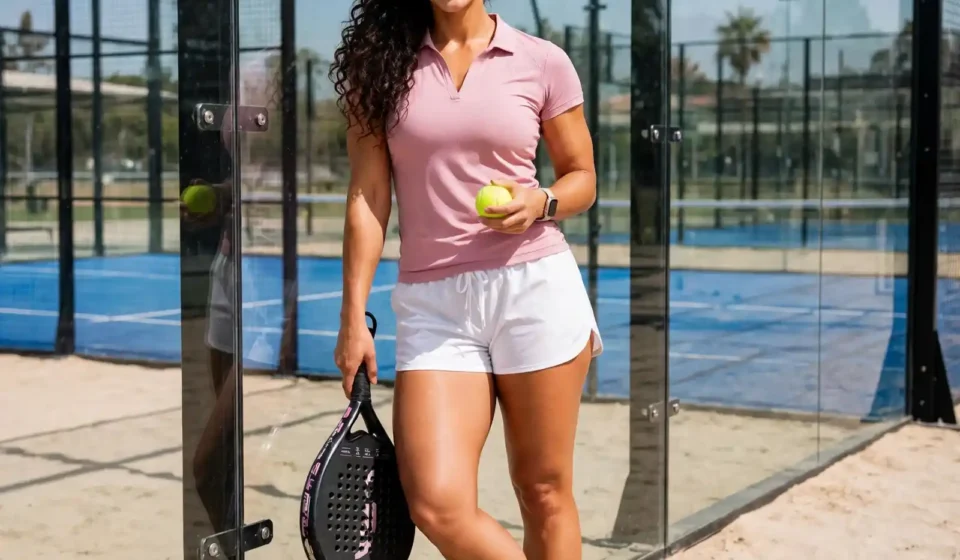

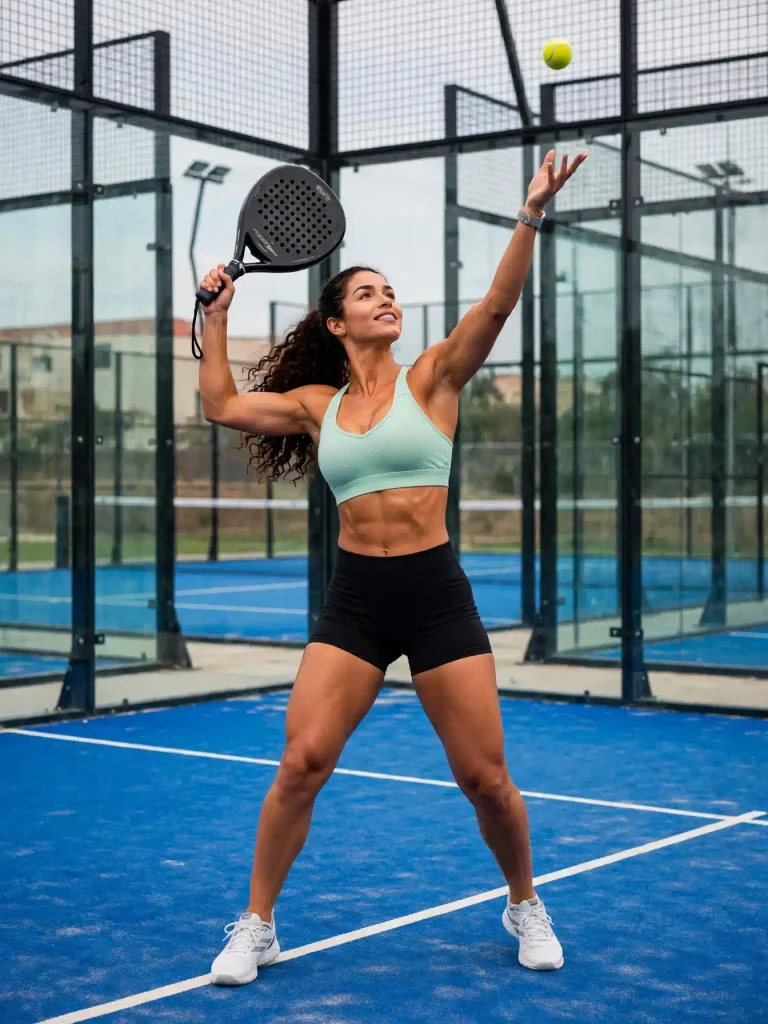
Padel is a fast-paced racket sport that combines quick reactions, controlled movements, balance, and teamwork. Whether you are new to the game or already enjoy playing regularly, improving your fitness can help you move more comfortably around the court and feel more confident during rallies.
Padel Fitness Training: Exercises for Better Movement and Coordination Unlike some traditional racket sports, padel involves frequent changes of direction, short bursts of movement, quick steps toward the net, and movements close to the walls. This means that general fitness alone is not always enough. Practising agility, coordination, balance, and leg strength can help you prepare for the different demands of the game.
The good news is that you do not need an expensive gym membership or complicated equipment to get started. A few simple exercises at home or outdoors can support the movement skills used in padel.
In this guide, you will discover practical padel fitness exercises, how to build a beginner-friendly training routine, and how to improve your movement without overcomplicating your workouts.
Why Is Fitness Important for Padel?
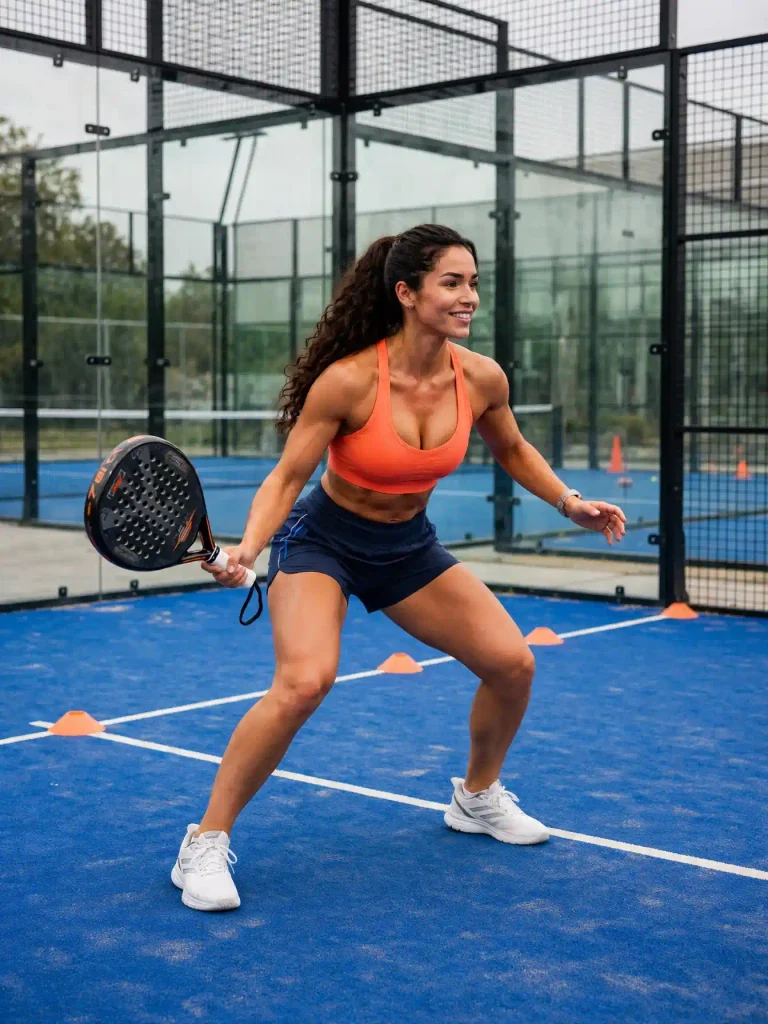
Padel requires a combination of physical abilities. Players need to react to the ball, move in different directions, maintain balance, and recover their position between shots.
A balanced fitness routine can support several important areas:
- Agility: Helps you change direction and move around the court with control.
- Coordination: Supports the connection between your eyes, hands, and feet.
- Balance: Helps you stay stable while reaching for shots or changing direction.
- Leg strength: Supports everyday movement, court positioning, and controlled footwork.
- Endurance: Helps you stay comfortable during longer playing sessions.
- Mobility: Helps you move through a comfortable range of motion.
You do not need to train like a professional athlete to enjoy these benefits. Consistent, manageable practice is a useful starting point.
8 Padel Fitness Exercises to Improve Movement and Coordination
The following exercises are suitable for beginners and recreational players. Start slowly, focus on good technique, and choose a pace that allows you to remain in control.
1. Lateral Side Steps
<AsyncImage query=”athlete performing lateral side steps agility exercise indoors fitness training” aspectRatio=”16:9″ width=”100%”/>
Moving from side to side is an important part of padel. Lateral side steps help you practise controlled movement in both directions.
How to do it:
- Stand with your feet about hip-width apart.
- Bend your knees slightly and keep your upper body relaxed.
- Take a small step to the right.
- Bring your other foot closer without crossing your legs.
- Continue for several steps, then change direction.
Beginner tip: Start with 20 seconds of comfortable movement. Keep your steps controlled rather than trying to move as quickly as possible.
2. Bodyweight Squats
<AsyncImage query=”person performing bodyweight squat exercise fitness training side view” aspectRatio=”16:9″ width=”100%”/>
Squats strengthen the muscles around your hips and legs. These muscles help support movements such as lowering your body to reach a ball and returning to a standing position.
How to do it:
- Stand with your feet around shoulder-width apart.
- Keep your chest comfortable and your back neutral.
- Bend your knees and hips as if sitting on a chair.
- Lower only as far as feels comfortable.
- Push through your feet to return to standing.
Suggested starting point: 2 sets of 8–10 repetitions.
3. Forward and Backward Footwork
<AsyncImage query=”athlete practicing forward backward footwork agility training cones” aspectRatio=”16:9″ width=”100%”/>
Padel players often need to move forward toward the net and backward to adjust their position. This exercise helps you practise changing direction with control.
How to do it:
- Place two markers a short distance apart.
- Start behind the first marker.
- Take controlled steps toward the second marker.
- Turn carefully and move back to the starting point.
- Repeat at a comfortable pace.
Beginner tip: Keep the distance short until the movement feels natural. Avoid rushing or making sudden turns.
4. Single-Leg Balance
<AsyncImage query=”person doing single leg balance exercise standing on one foot fitness” aspectRatio=”16:9″ width=”100%”/>
Balance is useful when reaching for shots, adjusting your feet, and recovering your position after movement.
How to do it:
- Stand near a wall or sturdy support.
- Lift one foot slightly off the floor.
- Keep your standing knee relaxed.
- Hold your position for 15–20 seconds.
- Switch legs.
Suggested starting point: Repeat twice on each side.
As your balance improves, you can practise turning your head gently while keeping your body stable.
5. Step-Ups
<AsyncImage query=”person performing low step up exercise on aerobic platform fitness” aspectRatio=”16:9″ width=”100%”/>
Step-ups help develop lower-body strength and controlled movement. They are also easy to practise at home with a stable, low step.
How to do it:
- Stand in front of a secure, low step.
- Place one foot fully on the step.
- Push through that foot to stand up.
- Step down carefully.
- Repeat with the opposite leg.
Suggested starting point: 2 sets of 8 repetitions per leg.
Choose a step height that allows you to move comfortably without losing balance.
6. Standing Knee Raises
<AsyncImage query=”person performing standing alternating knee raises exercise fitness” aspectRatio=”16:9″ width=”100%”/>
Standing knee raises encourage coordination between your upper and lower body while gently challenging your balance.
How to do it:
- Stand upright with your feet hip-width apart.
- Lift your right knee toward your waist.
- Lower it slowly.
- Repeat with your left knee.
- Continue alternating sides.
Suggested starting point: 2 sets of 10 alternating repetitions.
Keep your movements smooth and avoid leaning backward.
7. Glute Bridges
<AsyncImage query=”person performing glute bridge exercise on fitness mat side view” aspectRatio=”16:9″ width=”100%”/>
Glute bridges strengthen the muscles around your hips and help support lower-body movement.
How to do it:
- Lie on your back with your knees bent.
- Place your feet flat on the floor.
- Keep your arms relaxed beside your body.
- Lift your hips gently until your body forms a comfortable straight line from shoulders to knees.
- Lower slowly.
Suggested starting point: 2 sets of 10 repetitions.
Avoid arching your lower back. Focus on a controlled movement.
8. Hand-Eye Coordination Practice
<AsyncImage query=”person practicing tennis ball wall toss catch hand eye coordination exercise” aspectRatio=”16:9″ width=”100%”/>
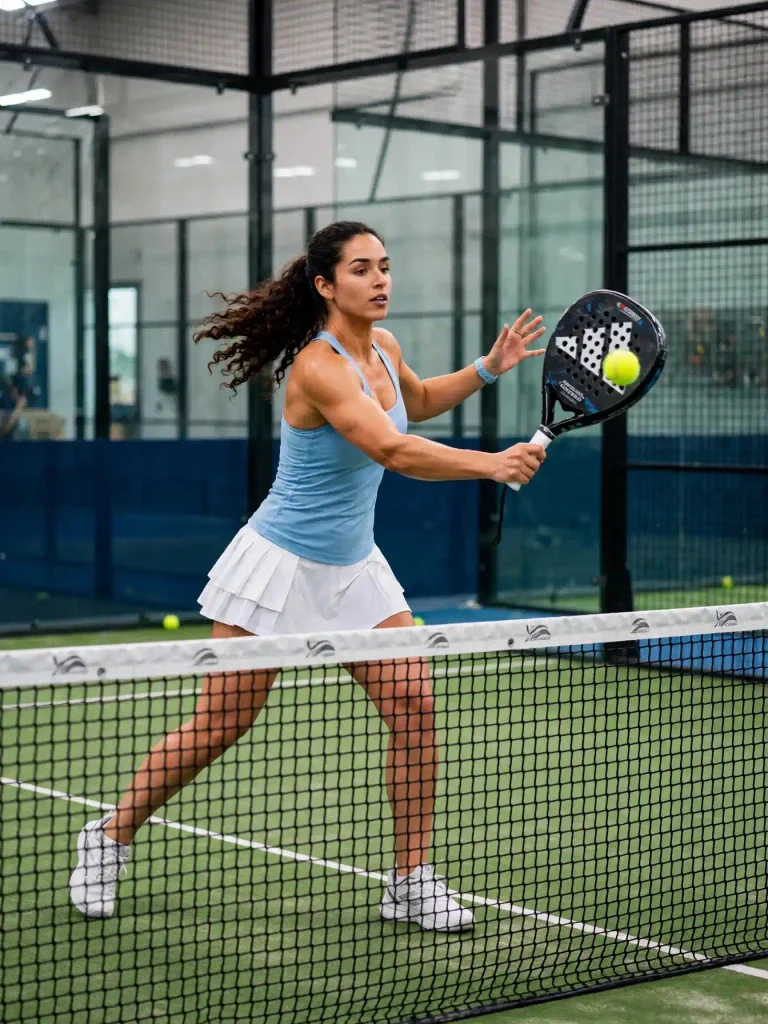
Padel requires players to follow the ball and coordinate their movements with each shot. Simple ball exercises can help you practise visual attention and hand-eye coordination.
How to do it:
- Hold a soft ball in one hand.
- Toss it gently into the air.
- Watch the ball and catch it with the same hand.
- Repeat using your other hand.
- If comfortable, practise tossing with one hand and catching with the other.
Beginner tip: Start with low, controlled throws. You can also practise with a partner by gently passing the ball back and forth.
A Simple Padel Fitness Routine for Beginners
You can combine these exercises into a short workout that focuses on movement, coordination, and general strength.
Start with a few minutes of easy walking and gentle movement to warm up. Then follow this routine:
| Exercise | Starting amount |
|---|---|
| Lateral side steps | 20 seconds |
| Bodyweight squats | 8–10 reps |
| Forward and backward footwork | 20 seconds |
| Single-leg balance | 15 seconds per leg |
| Step-ups | 8 reps per leg |
| Standing knee raises | 10 alternating reps |
| Glute bridges | 10 reps |
| Hand-eye coordination | 30 seconds |
Complete one round at first. If you feel comfortable and your technique remains controlled, you can gradually build up to two rounds.
Take breaks whenever needed. The aim is to practise good movement, not to finish as quickly as possible.
How to Combine Padel and Fitness Training During the Week
A balanced weekly schedule can help you practise different fitness skills while leaving enough time for recovery.
Here is an example for someone who plays padel recreationally:
| Day | Activity |
|---|---|
| Monday | Light strength and coordination exercises |
| Tuesday | Padel practice or recreational play |
| Wednesday | Rest or gentle walking |
| Thursday | Agility, balance, and mobility exercises |
| Friday | Rest or easy movement |
| Saturday | Padel session |
| Sunday | Recovery and gentle stretching |
This is only an example. Adjust the schedule around your experience, energy, school or work commitments, and other activities.
You do not need to train every day. Rest is an important part of a balanced fitness routine.
Warm-Up Exercises Before Playing Padel
A good warm-up prepares your body for movement and helps you transition gradually into your game.
Try this simple warm-up before playing:
- Easy walking: Move around for 2 minutes.
- Shoulder circles: Make small, controlled circles with your shoulders.
- Arm swings: Gently swing your arms forward and backward.
- Lateral steps: Move from side to side for 30 seconds.
- Marching in place: Lift your knees gently for 30 seconds.
- Controlled squats: Complete 8 comfortable repetitions.
Start gently and gradually increase your movement as you feel ready. Avoid beginning a game with sudden, intense movements before warming up.
Common Padel Fitness Training Mistakes
When starting a fitness routine for padel, it is easy to focus too much on speed or intensity. A few simple adjustments can make training more effective and comfortable.
Moving Too Quickly
Fast movements are part of padel, but practising every exercise at maximum speed is unnecessary. Learn the movement first, then increase the pace gradually if you can maintain control.
Ignoring Balance
Players sometimes focus only on running and leg strength. However, balance is also important when reaching for shots and changing direction. Include simple balance exercises in your routine.
Skipping Warm-Ups
Going directly into intense activity can make movement feel uncomfortable. Begin with easy movements and gradually prepare your body.
Training Without Recovery
Your body needs time to recover between demanding sessions. Include easier days and rest days rather than trying to train hard every day.
Using Poor Technique
A movement does not become more effective simply because you perform it faster. Focus on comfortable movement, stable positioning, and controlled repetitions.
How to Improve Your Padel Movement on the Court
Fitness exercises are useful, but practising movement during actual padel sessions is also important.
Here are a few simple ideas:
- Stay ready: Practise returning to a comfortable, balanced position after each shot.
- Use small steps: Short adjustment steps can help you position yourself more comfortably.
- Look ahead: Follow the ball and anticipate where it may travel.
- Communicate with your partner: Clear communication can help both players move more confidently.
- Practise both sides: Work on moving to your left and right rather than always favouring one direction.
- Stay relaxed: Avoid unnecessary tension in your shoulders and arms.
Remember that court movement develops through practice. Give yourself time to learn the game and become more comfortable with its different situations.
Frequently Asked Questions About Padel Fitness Training
What fitness exercises are best for padel beginners?
Lateral side steps, bodyweight squats, step-ups, single-leg balance, glute bridges, and hand-eye coordination exercises are useful starting points. They help practise several movement skills used during padel.
Does padel require good endurance?
Padel involves repeated periods of movement, with players needing to recover between rallies. General cardiovascular fitness can support comfort during longer playing sessions.
Walking, cycling, and other manageable aerobic activities can help build a general fitness foundation.
How often should I do padel fitness training?
Two or three manageable fitness sessions per week can be a reasonable starting point for some recreational players. Your schedule should also include playing practice and recovery days.
The right frequency depends on your experience, other activities, and how your body feels.
Can I improve my padel coordination at home?
Yes. You can practise simple ball tosses, catches, single-leg balance, marching, and controlled footwork at home. These activities require little or no equipment.
Do I need gym equipment for padel fitness?
No. Many useful exercises rely only on bodyweight. A stable step, soft ball, exercise mat, or a few markers can be helpful, but they are not essential.
Is strength training useful for padel?
Yes. General strength exercises can support the muscles used during movement around the court. Squats, step-ups, glute bridges, and controlled core exercises are practical options for beginners.
What should I do after a padel session?
Allow time for your body to settle down with a few minutes of easy walking. Gentle stretching can help you relax after playing. Remember to drink water and give yourself enough recovery time before your next demanding session.
Final Thoughts
Padel fitness training is about more than moving faster. It is about developing better coordination, balance, strength, and control so you can feel more comfortable on the court.
Exercises such as lateral side steps, squats, step-ups, single-leg balance, and ball tosses are simple ways to practise the skills used in padel. You can do many of them at home without special equipment.
Start with manageable sessions, focus on good technique, and increase the difficulty gradually. Combine your fitness routine with regular padel practice and enough recovery time.
With consistent practice, you can build a stronger foundation for enjoying the game and moving with greater confidence.
Ready to improve your movement? Choose a few exercises from this guide and add them to your weekly fitness routine.